Books › Operating System Concepts

Operating System Concepts
First published 1988 · 992 pages
A rigorous, foundational journey into the invisible architecture that powers modern computing.
What it feels like
Reading this book feels like peeling back the sleek interface of a machine to reveal the intricate, humming engine beneath. The pace is steady and methodical, demanding focus as it builds from basic abstractions to complex, concurrent systems. The mood is deeply intellectual and structured, offering a sense of profound clarity when a difficult concept finally clicks. The prose is authoritative and precise, designed to instruct rather than entertain, yet there is an undeniable elegance in how it demystifies the chaos of memory management and process scheduling. It will delight computer science students and curious engineers who crave a foundational, no-nonsense mastery of the digital world's underlying mechanics, rewarding patience with a deep, enduring understanding of computing.
- Mood
- intellectual
- structured
- focused
- Tone
- authoritative
- instructional
- objective
- methodical
- Pace
- steady
- Themes
- system architecture · resource management · abstraction · concurrency · foundational computing
- The writing
- Clear, methodical, and highly structured, prioritizing technical precision and pedagogical clarity.
- The arc
- Moves from a daunting sense of complexity to a satisfying, structured mastery of foundational systems.
- Who it's for
- Computer science students and software engineers seeking a rigorous, under-the-hood understanding of how computers actually work.
About the book
Keep pace with the fast–developing world of operating systems Open–source operating systems, virtual machines, and clustered computing are among the leading fields of operating systems and networking that are rapidly changing. With substantial revisions and organizational changes, Silberschatz, Galvin, and Gagne’s Operating System Concepts, Eighth Edition remains as current and relevant as ever, helping you master the fundamental concepts of operating systems while preparing yourself for today’s emerging developments. As in the past, the text brings you up to speed on core knowledge and skills, including: What operating systems are, what they do, and how they are designed and constructed Process, memory, and storage management Protection and security Distributed systems Special–purpose systems Beyond the basics, the Eight Edition sports substantive revisions and organizational changes that clue you in to such cutting–edge developments as open–source operating systems, multi–core processors, clustered computers, virtual machines, transactional memory, NUMA, Solaris 10 memory management, Sun’s ZFS file system, and more. New to this edition is the use of a simulator to dynamically demonstrate several operating system topics. Best of all, a greatly enhanced WileyPlus, a multitude of new problems and programming exercises, and other enhancements to this edition all work together to prepare you enter the world of operating systems with confidence.
Description from Open Library.
Books like Operating System Concepts
See why they match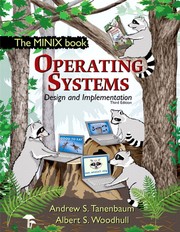 Operating SystemsAndrew S. Tanenbaum and Albert S. WoodhullA methodical, illuminating descent into the very bedrock of modern computing, turning abstract theory into tangible code.
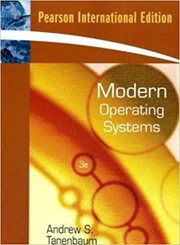 Modern Operating SystemsAndrew S. TanenbaumA surprisingly witty and deeply illuminating descent into the hidden machinery that makes modern computing possible.
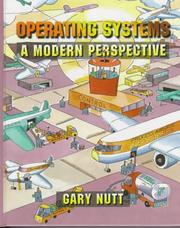 Operating systemsNutt, GaryA rigorous, hands-on descent into the hidden architecture and logic that powers modern computing.
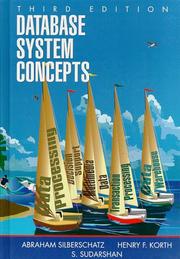 Database system conceptsAbraham SilberschatzA rigorous, foundational journey into the architecture of information that transforms abstract data into structured logic.
 Linux Kernel DevelopmentRobert LoveA clear, pragmatic descent into the beating heart of the world's most ubiquitous operating system.
 The Linux Command LineWilliam E. ShottsA friendly, empowering guide that transforms the intimidating black screen of the terminal into a familiar and powerful workspace.