Books › Palestine

Palestine
328 pages
A groundbreaking work of comics journalism that plunges you into the gritty, daily reality of life under occupation.
What it feels like
Reading this pioneering work of graphic journalism feels like walking through crowded, tense streets alongside a deeply observant, self-aware guide. The pace is steady and demanding, requiring you to linger over densely packed panels that capture both the claustrophobia of refugee camps and the kinetic energy of protests. It is a profoundly sobering experience, steeped in a gritty, immersive mood that refuses to look away from suffering, yet it is also punctuated by moments of dark humor and profound human resilience. The narrative voice is unflinching but never self-righteous, constantly questioning its own role as an observer. This is a vital, emotionally weighty read for anyone drawn to ground-level reportage and the unique power of the comics medium to document the human cost of systemic conflict.
- Mood
- gritty
- sobering
- tense
- immersive
- claustrophobic
- Tone
- empathetic
- unflinching
- self-deprecating
- journalistic
- observant
- Pace
- steady
- Themes
- human cost of conflict · daily life under occupation · ethics of observation · resilience in adversity · systemic oppression
- The writing
- Dense, kinetic, and deeply textured, blending meticulous journalistic narration with highly expressive, emotionally charged visual storytelling.
- The arc
- Begins with the nervous curiosity of an outsider and deepens into a profound, heavy empathy for a population enduring relentless hardship.
- Who it's for
- Readers who appreciate immersive, ground-level reportage and the power of graphic nonfiction to humanize complex geopolitical conflicts.
Content notes
- war trauma
- systemic oppression
- police brutality
- torture
- poverty
About the book
"In late 1991 and early 1992, Joe Sacco spent two months with Palestinians in the Occupied Territories, traveling and taking notes. Upon returning to the United States in mid-1992, he started writing and drawing Palestine, which combined the techniques of eyewitness reportage with the medium of comic-book storytelling to explore this complex, emotionally weighty situation.".
"The nine-issue comics series won a 1996 American Book Award and was a major success in its original two-volume collection. Palestine has now finally been released in a new one-volume format, with a new foreword by Edward W. Said."--BOOK JACKET.
Description from Open Library.
Books like Palestine
See why they match The FixerJoe SaccoA gritty, boots-on-the-ground descent into the moral gray zones of war reporting and the desperate hustle of survival.
 How to understand Israel in 60 days or lessSarah GliddenA deeply earnest, watercolor-washed journey through the messy intersection of personal identity and geopolitical reality.
 Chroniques de JérusalemGuy DelisleA wry, quietly observant diary of navigating the mundane absurdities and heavy realities of life in a deeply divided city.
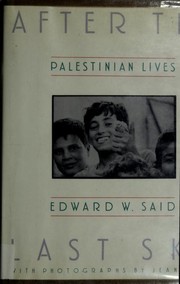 After the last skyEdward W. SaidA haunting, beautifully fragmented meditation on exile, memory, and the enduring humanity of a displaced people.
 The Arab of the futureRiad SattoufA visually striking and candid graphic memoir that filters the chaos of political idealism and cultural displacement through the wide eyes of a nomadic child.
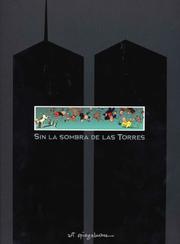 In the Shadow of No TowersArt SpiegelmanA frantic, visually explosive time capsule of post-9/11 paranoia and political fury.