Books › Pedagogy of the Oppressed
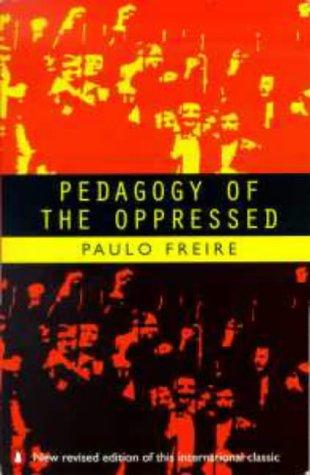
Pedagogy of the Oppressed
First published 1996 · 232 pages
A rigorous, revolutionary call to arms that reimagines the classroom as a site of profound political liberation.
What it feels like
Reading this foundational text feels like having a veil lifted from your eyes. It is not a breezy read; the prose is dense, dialectical, and steeped in Marxist and existentialist philosophy, demanding a steady, deliberate pace. Yet beneath the academic rigor beats a heart of fierce, urgent compassion. The atmosphere is galvanizing and deeply serious, asking you to confront the uncomfortable realities of systemic dehumanization. As you move through its arguments, the initial weight of oppression gives way to a profound sense of possibility. It is a book that transforms how you view power, dialogue, and human agency, delighting activists, educators, and anyone hungry for a framework to build a more just, liberated world.
- Mood
- intellectually rigorous
- hopeful
- galvanizing
- serious
- Tone
- urgent
- earnest
- philosophical
- revolutionary
- compassionate
- Pace
- steady
- Themes
- liberation through awareness · the dynamics of power · humanization vs dehumanization · dialogue as action · critical consciousness
- The writing
- Dense, academic, and dialectical, yet infused with a profound, poetic passion for human dignity.
- The arc
- Moves from a stark confrontation with systemic dehumanization toward a deeply hopeful, empowering vision of collective liberation.
- Who it's for
- Educators, activists, and critical thinkers who want to dismantle oppressive systems and believe in the transformative power of learning.
Content notes
- discussions of systemic oppression
- class violence
About the book
"First published in Portuguese in 1968, [this book] was translated and published in English in 1970. Paulo Freire's work has helped to empower countless people throughout the world and continues to possess a special urgency as the creation of a permanent underclass among the underprivileged and minorities in urban centers around the world continues. The 50th anniversary edition includes a new introduction by Donaldo Macedo, an afterword by Ira Shor, and interviews with Marina Aparicio Barber�an, Noam Chomsky, Gustavo E. Fischman, Ram�on Flecha, Ronald David Glass, Valerie Kinloch, peter Mayo, Peter McLaren, and Margo Okazawa-Rey to inspire a new generation of educators, students, and general readers for years to come."--Page [4] of cover.
Description from Open Library.
Books like Pedagogy of the Oppressed
See why they match Pedagogia do OprimidoPaulo FreireA dense but deeply passionate philosophical manifesto that reimagines education as the ultimate act of collective liberation.
 Teaching to transgressbell hooksA passionate, deeply personal manifesto that reimagines the classroom as a radical space for collective liberation and joy.
 On AnarchismNoam ChomskyA sharp, accessible, and surprisingly optimistic exploration of anti-authoritarian thought that challenges readers to rethink the structures of power.
 Discours sur le colonialismeAimé CésaireA blistering, poetic indictment of Western civilization that reads like a revolutionary manifesto.
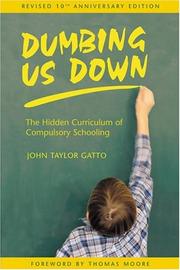 Dumbing Us DownJohn Taylor GattoA fiery, paradigm-shifting critique that will make you question everything you thought you knew about what it means to be educated.
 Experience and educationJohn DeweyA concise, intellectually rigorous meditation on how genuine learning is rooted in lived experience.