Books › Playing in the dark

Playing in the dark
whiteness and the literary imagination
112 pages
A brilliant, paradigm-shifting lens that permanently alters how you read the American literary canon.
What it feels like
Reading this book feels like being handed a new pair of glasses that suddenly brings the invisible architecture of American literature into sharp, undeniable focus. It is a steady, deeply contemplative experience, guided by a voice that is both fiercely intellectual and breathtakingly eloquent. The prose possesses the lyrical precision you expect from a master novelist, yet it is channeled here into incisive, probing cultural critique. You sit in a revelatory atmosphere, watching as the shadows of classic texts are illuminated to reveal the unspoken Africanist presence that shaped them. It is an essential, paradigm-shifting read for anyone who loves dissecting stories and wants to understand the profound, often hidden ways race constructs the American imagination.
- Mood
- contemplative
- revelatory
- urgent
- scholarly
- Tone
- intellectual
- incisive
- authoritative
- probing
- eloquent
- Pace
- steady
- Themes
- the construction of whiteness · racialized imagination · literary shadows · American identity · the unspoken presence
- The writing
- Luminous, precise, and deeply analytical, blending the rigor of a scholar with the lyricism of a master novelist.
- The arc
- Moves from a foundational questioning of literary norms to a profound, paradigm-shifting revelation about the American canon.
- Who it's for
- Readers who love dissecting classic literature and want to understand the hidden racial architectures beneath American storytelling.
Content notes
- discussions of racism
- analysis of racial slurs in literature
- historical oppression
About the book
novelist Toni Morrison brings the genius of a master writer to this personal inquiry into the significance of African-Americans in the American literary imagination. Her goal, she states at the outset, is to "put forth an argument for extending the study of American literature... draw a map, so to speak, of a critical geography and use that map to open as much space for discovery, intellectual adventure, and close exploration as did the original charting of the New World--without the mandate for conquest." Author of Beloved, The Bluest Eye, Song of Solomon, and other vivid portrayals of black American experience, Morrison ponders the effect that living in a historically racialized society has had on American writing in the nineteenth and twentieth centuries. She argues that race has become a metaphor, a way of referring to forces, events, and forms of social decay, economic division, and human panic. Her compelling point is that the central characteristics of American literature--individualism, masculinity, the insistence upon innocence coupled to an obsession with figurations of death and hell--are responses to a dark and abiding Africanist presence. Through her investigation of black characters, narrative strategies, and idiom in the fiction of white American writers, Morrison provides a daring perspective that is sure to alter conventional notions about American literature. She considers Willa Cather and the impact of race on concept and plot; turns to Poe, Hawthorne, and Melville to examine the black force that figures so significantly in the literature of early America; and discusses the implications of the Africanist presence at the heart of Huckleberry Finn. A final chapter on Ernest Hemingway is a brilliant exposition of the racial subtext that glimmers beneath the surface plots of his fiction. Written with the artistic vision that has earned her a preeminent place in modern letters, Playing in the Dark will be avidly read by Morrison admirers as well as by students, critics, and scholars of American literature.
Description from Open Library.
Books like Playing in the dark
See why they match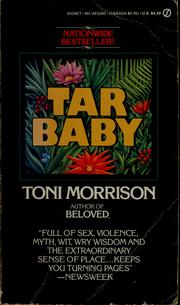 Tar BabyToni MorrisonA lush, mythic collision of desire and ideology that burns with the intensity of a tropical storm.
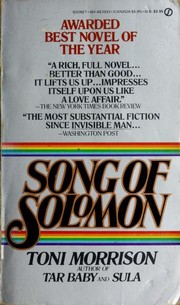 Song of SolomonToni MorrisonA mythic, soaring journey through ancestry and identity that blends the gritty reality of the American Rust Belt with the transcendent magic of folklore.
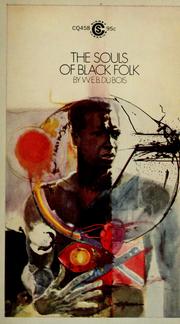 The Souls of Black FolkMcgraw-Hill-Glencoe StaffA soaring, poetic examination of the American racial divide that feels both like a rigorous sociological treatise and a profound spiritual hymn.
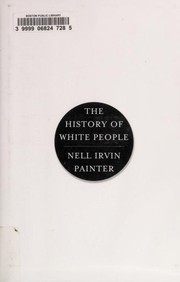 The history of White peopleNell Irvin PainterA momentous, eye-opening historical study that dismantles the rigid illusions of racial classification.
 The Norton Anthology of African American LiteratureHenry Louis Gates, Jr. and Valerie SmithA monumental, polyphonic chorus of voices that captures the heartbreak, brilliance, and enduring spirit of Black literary history.
 The Piano LessonAugust WilsonA haunted, lyrical clash between siblings over whether to sell their family's painful past to buy a piece of the future.