Books › Pompeii

Pompeii
397 pages
A ticking-clock thriller where the ultimate antagonist is the earth itself, blending meticulous historical engineering with the suffocating dread of inevitable catastrophe.
What it feels like
Reading this novel feels like watching a fuse burn down in slow motion. The atmosphere is thick with an oppressive, sulfurous dread, built not through cheap scares but through the meticulous, pragmatic eyes of a Roman engineer trying to solve a water crisis. You know the eruption is coming, which turns every political squabble, lavish banquet, and technical problem into an exercise in dramatic irony. The prose is crisp and cinematic, grounding the staggering scale of a natural disaster in the gritty, tactile reality of aqueducts and Roman infrastructure. It is a propulsive, deeply researched experience that will thrill readers who love hyper-competent protagonists, immersive historical world-building, and the humbling, terrifying spectacle of man's hubris colliding with nature's wrath.
- Mood
- dread-soaked
- oppressive
- ominous
- tense
- Tone
- urgent
- meticulous
- pragmatic
- suspenseful
- Pace
- propulsive
- Themes
- hubris of empire · man versus nature · fragility of civilization · duty and obsession
- The writing
- Crisp, well-researched, and cinematic, blending technical precision with vivid sensory details.
- The arc
- Begins with curious unease and professional frustration, escalating into desperate survival and awe-struck terror.
- Who it's for
- Readers who love historical thrillers grounded in meticulous research and a looming sense of inevitable disaster.
Content notes
- natural disaster
- mass death
- animal death
- peril
About the book
Historical fiction about the eruption of Mount Vesuvius in 79 AD from the perspective of Marcus Attilius, an aquarius (hydraulic engineer) responsible for Aqua Augusta, the regional aqueduct.
Description from Open Library.
Books like Pompeii
See why they match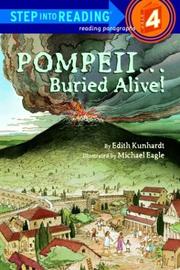 Pompeii-- buried alive!Edith KunhardtA dramatic, accessible glimpse into a terrifying natural disaster and the ancient world it froze in time.
 I Survived The Destruction of Pompeii, AD 79Lauren TarshisA breathless, ash-clouded dash for survival through one of history's most famous natural disasters.
 Vacation Under the VolcanoMary Pope OsborneA breathless race against time through the ash-choked streets of an ancient city, fueled by sibling teamwork and the magic of history.
 ImperiumRobert HarrisA sharp, backroom view of ancient politics that feels as urgent and cutthroat as a modern thriller.
 I, ClaudiusRobert GravesA wry, paranoid survival guide disguised as a memoir, chronicling the deadly and opulent dysfunction of an imperial dynasty.
 The First Man in RomeColleen McCulloughA sweeping, meticulously detailed plunge into the ruthless political machinations and towering ambitions of the late Roman Republic.