Books › Pragmatic Thinking and Learning

Pragmatic Thinking and Learning
279 pages
A user manual for the human brain, written with the practical, problem-solving mindset of a seasoned software engineer.
What it feels like
Reading this book feels like sitting down with a senior developer who wants to help you debug your own brain. It moves at a brisk, engaging pace, stripping away the academic jargon of cognitive science and replacing it with accessible, actionable metaphors drawn from software engineering. The mood is relentlessly optimistic and intellectually stimulating, creating a focused atmosphere where every chapter feels like a new tool being added to your mental workbench. The prose is conversational and clear, guiding you through the Dreyfus model and neural architecture without ever feeling dry. It is an empowering, practical read designed for knowledge workers and lifelong learners who want to refactor their thinking habits and approach problem-solving with renewed clarity and creative confidence.
- Mood
- intellectually stimulating
- optimistic
- focused
- Tone
- pragmatic
- encouraging
- analytical
- accessible
- conversational
- Pace
- brisk
- Themes
- continuous improvement · cognitive refactoring · skill acquisition · mental models · creative problem solving
- The writing
- Clear, conversational, and structured, using software metaphors to explain complex neurological concepts.
- The arc
- Moves from a curious exploration of mental limitations to an empowering sense of cognitive mastery.
- Who it's for
- Knowledge workers and software developers looking to optimize their learning processes and break through creative blocks.
About the book
Together we'll journey together through bits of cognitive and neuroscience, learning and behavioral theory. You'll discover some surprising aspects of how our brains work, and see how you can beat the system to improve your own learning and thinking skills.
In this book you'll learn how to: Use the Dreyfus Model of Skill Acquisition to become more expert Leverage the architecture of the brain to strengthen different thinking modes Avoid common "known bugs" in your mind Learn more deliberately and more effectively Manage knowledge more efficiently
Software development happens in your head. Not in an editor, IDE, or design tool. It's time to take a pragmatic approach to thinking and learning, and start to refactor-and redesign-your brain.
Description from Open Library.
Books like Pragmatic Thinking and Learning
See why they match The Pragmatic ProgrammerAndrew Hunt; David ThomasA timeless mentorship in a bottle that transforms the daily grind of writing code into a deliberate and joyful craft.
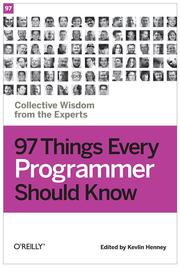 97 Things Every Programmer Should KnowKevlin HenneyA chorus of veteran mentors offering bite-sized, hard-won wisdom to elevate your daily coding practice.
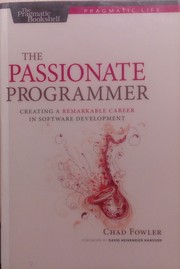 The passionate programmerChad FowlerA motivational roadmap that transforms passive coding jobs into intentional, thriving careers.
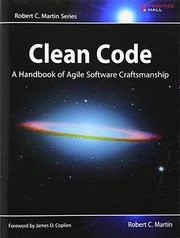 Clean CodeRobert C. MartinA tough-love mentorship session that transforms the chaotic art of programming into a disciplined, elegant craft.
 A Thousand BrainsJeff HawkinsA cerebral exploration of how the mind works and what it means for the future of thinking machines.
 The clean coderRobert C. MartinA stern but deeply motivating mentorship session on what it means to be a true professional in the software industry.