Books › Pragmatics of human communication

Pragmatics of human communication
296 pages
A paradigm-shifting masterclass that will permanently alter how you perceive every conversation, argument, and silence.
What it feels like
Reading this foundational text feels like putting on a pair of X-ray glasses that suddenly reveal the hidden scaffolding of human interaction. The pace is steady and deliberate, asking you to pause and digest its paradigm-shifting axioms. While the prose is undeniably academic and clinical, it avoids becoming a dry slog thanks to a current of dry humor and a brilliant use of literary examples. The mood is deeply intellectually stimulating, offering a series of quiet, revelatory epiphanies as you recognize your own relational patterns on the page. It will delight armchair psychologists, therapists, and anyone fascinated by the invisible, inescapable rules that govern how we connect, misunderstand, and ultimately shape each other's realities.
- Mood
- intellectually stimulating
- clinical
- revelatory
- Tone
- analytical
- authoritative
- dryly humorous
- insightful
- Pace
- steady
- Themes
- the impossibility of not communicating · hidden rules of interaction · systemic relationship patterns · the construction of reality · paradoxes of behavior
- The writing
- The writing is structured, academic, and precise, yet enlivened by sharp wit and illuminating literary and clinical examples.
- The arc
- The reader journeys from taking everyday conversations at face value to experiencing a dizzying, profound awareness of the invisible systems governing all human interaction.
- Who it's for
- This is for the intellectually curious observer of human nature, the armchair psychologist, or the therapist looking to decode the hidden mechanics of how we relate to one another.
Content notes
- discussions of mental illness
- relational dysfunction
- clinical case studies
About the book
Called one of the best books ever about human communication, and a perennial bestseller, Pragmatics of Human Communication has formed the foundation of much contemporary research into interpersonal communication, in addition to laying the groundwork for context-based approaches to psychotherapy. The authors present the simple but radical idea that problems in life often arise from issues of communication, rather than from deep psychological disorders, reinforcing their conceptual explorations with case studies and well-known literary examples. Written with humor and for a variety of readers, this book identifies simple properties and axioms of human communication and demonstrates how all communications are actually a function of their contexts.
Description from Open Library.
Books like Pragmatics of human communication
See why they match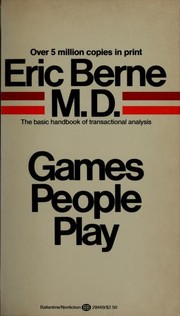 Games People PlayEric BerneA wry, clinical field guide to the hidden, often manipulative scripts that dictate our everyday social interactions.
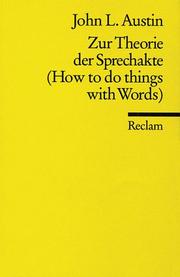 How to do things with wordsJ. L. AustinA witty, methodical dismantling of the idea that words merely describe the world, revealing how they actively construct it.
 How to Have Impossible ConversationsPeter Boghossian and James LindsayA cool-headed, tactical toolkit for navigating the minefield of modern polarization without losing your mind or your relationships.
 Human communicationStewart L. TubbsA structured, illuminating deep-dive into the invisible mechanics of how we connect, converse, and understand one another.
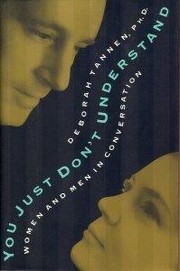 You Just Don't UnderstandDeborah TannenA paradigm-shifting lens that turns baffling arguments into predictable, solvable puzzles of language.
 The presentation of self in everyday lifeErving GoffmanA fascinating, slightly unsettling lens that permanently alters how you view every conversation, meeting, and social encounter.