Books › Prey
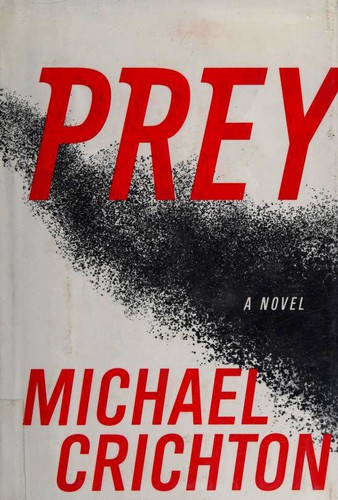
Prey
634 pages
A dread-soaked, ticking-clock techno-thriller where cutting-edge science evolves into an unstoppable, intelligent nightmare.
What it feels like
Reading this book feels like watching a slow-motion car crash through a microscope. It begins with a creeping, domestic paranoia that slowly tightens its grip before exploding into a full-throttle, claustrophobic nightmare. The narrative is incredibly propulsive, driven by a clinical yet urgent prose style that feeds you complex scientific concepts just moments before weaponizing them against the characters. You are trapped alongside the protagonists in a sun-baked, isolated desert facility, feeling the walls close in as the threat evolves and adapts. It is a dread-soaked experience that plays on our deepest anxieties about technological overreach and the illusion of human control. Fans of cinematic, high-stakes techno-thrillers will devour this relentless, adrenaline-fueled cautionary tale.
- Mood
- claustrophobic
- dread-soaked
- paranoid
- tense
- Tone
- clinical
- urgent
- cautionary
- analytical
- suspenseful
- Pace
- propulsive
- Themes
- scientific hubris · loss of control · technological anxiety · survival against the unknown · corporate greed
- The writing
- Crisp, cinematic, and highly accessible, seamlessly weaving complex scientific exposition into fast-paced action.
- The arc
- Begins with creeping domestic paranoia and professional unease, rapidly accelerating into desperate, adrenaline-fueled survival terror.
- Who it's for
- Readers who crave high-stakes techno-thrillers where cutting-edge science goes terrifyingly wrong in isolated environments.
Content notes
- body horror
- claustrophobia
- violence
- infidelity
About the book
Prey is a novel by Michael Crichton, his thirteenth under his own name and twenty-third overall, first published in November 2002, making his first novel of the twenty-first century. The novel serves as a cautionary tale about developments in science and technology; in this case, nanotechnology, genetic engineering, and distributed artificial intelligence.
The book features relatively new advances in the computing/scientific community, such as artificial life, emergence (and by extension, complexity), genetic algorithms, and agent-based computing. Fields such as population dynamics and host-parasite coevolution are also at the heart of the novel.
Description from Open Library.
Books like Prey
See why they match The Andromeda StrainMichael CrichtonA chilling, documentary-style countdown that traps you in a sterile underground bunker with humanity's smartest minds and its deadliest microscopic threat.
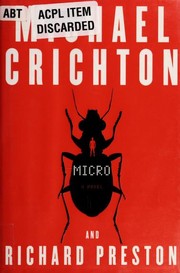 MicroMichael CrichtonA pulse-pounding, terrifying plunge into the microscopic wilderness where nature's smallest creatures become monstrous threats.
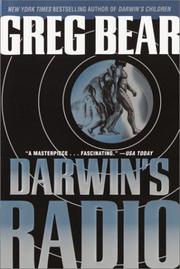 Darwin's radioGreg BearA cerebral, high-stakes biological thriller that transforms the terror of a global pandemic into a profound meditation on human evolution.
 AccelerandoCharles StrossA relentless, jargon-fueled rollercoaster ride through the technological singularity that will leave your brain feeling overclocked.
 Permutation CityGreg EganA dizzying plunge into the deep end of hard science fiction that will leave you questioning the fundamental nature of your own consciousness.
 The Andromeda EvolutionDaniel H. WilsonA relentless, ticking-clock techno-thriller that plunges you into the heart of a biological apocalypse.