Books › Prisoners without trial

Prisoners without trial
First published 1993 · 162 pages
A concise, sobering historical reckoning that forces readers to confront the fragility of constitutional rights in times of national panic.
What it feels like
Reading this book feels like sitting in a quiet, dimly lit archive, uncovering a profound national betrayal. The pace is steady and deliberate, guiding you through a dark chapter of history with clear-eyed, unadorned prose. It is not a book of sensationalism, but rather one of sobering moral clarity, wrapping the reader in a somber, reflective mood. As you move through the historical evidence of wartime hysteria and systemic racism, the emotional texture shifts from quiet shock to a lingering, urgent dread about the fragility of civil rights. It is an essential, heavy experience, perfect for readers who appreciate concise, rigorous history that demands we look unflinchingly at the past to protect the future.
- Mood
- somber
- sobering
- reflective
- heavy
- Tone
- critical
- authoritative
- urgent
- objective
- empathetic
- Pace
- steady
- Themes
- systemic injustice · wartime hysteria · fragility of civil rights · racial prejudice · historical memory
- The writing
- Clear, concise, and academically rigorous, delivering hard truths with unadorned precision.
- The arc
- Begins with a sense of historical dread and builds to a lingering, urgent questioning of modern civil liberties.
- Who it's for
- History enthusiasts and social justice advocates looking for a brief but comprehensive overview of a dark chapter in American history.
Content notes
- racism
- xenophobia
- forced relocation
- systemic oppression
- wartime trauma
About the book
Examines the incarceration of nearly 120,000 Japanese Americans during World War II and thoughtfully asks if it could happen again.
Description from Open Library.
Books like Prisoners without trial
See why they match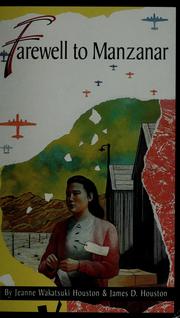 Farewell to ManzanarJeanne Wakatsuki Houston and James D. HoustonA poignant, clear-eyed memoir that filters the monumental injustice of internment through the intimate, resilient lens of a child coming of age behind barbed wire.
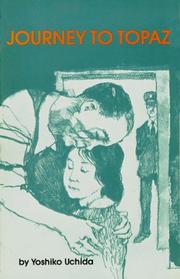 Journey to TopazYoshiko UchidaA gentle, heartbreaking, yet deeply resilient portrait of a family holding onto their dignity when their world is suddenly upended.
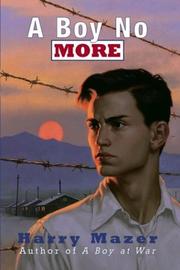 A boy no moreHarry MazerA quiet, poignant exploration of a boy forced to grow up too fast in the shadow of global conflict and personal tragedy.
 El Honor del SilencioDanielle SteelA sweeping historical drama that tests the endurance of young love against the devastating backdrop of war and forced relocation.
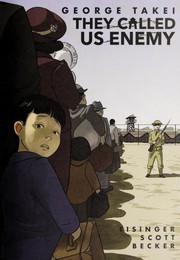 They Called Us EnemyGeorge TakeiA deeply moving, visually striking memoir that filters the monumental injustice of wartime internment through the wide, resilient eyes of a child.
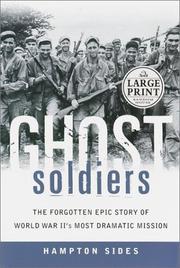 Ghost soldiersHampton SidesA harrowing, cinematic plunge into the darkest depths of war and the desperate, pulse-pounding mission to bring survivors home.