Books › Profiles of intelligence

Profiles of intelligence
First published 1995 · 423 pages
A proud, insider's look into the clandestine world of counter-intelligence and Cold War geopolitics.
What it feels like
Reading this book feels like sitting across from a seasoned military veteran as they recount the hidden battles of the Cold War era. The pace is steady and methodical, grounded in personal memory and historical documents rather than flashy action sequences. It carries a deeply patriotic and authoritative tone, immersing the reader in a clandestine mood where global superpowers and regional intelligence agencies maneuver in the shadows. The prose is straightforward and factual, focusing on the mechanics of counter-intelligence and institutional pride. It is an experience tailored for history buffs and espionage enthusiasts who want an insider's perspective on the covert operations that shaped South Asian geopolitics and the Afghan conflict, offering a serious, reflective journey into the world of state secrets.
- Mood
- clandestine
- tense
- shadowy
- Tone
- patriotic
- authoritative
- serious
- reflective
- Pace
- steady
- Themes
- national security · covert operations · institutional pride · geopolitical maneuvering
- The writing
- Factual and straightforward, blending historical documentation with earnest personal recollection.
- The arc
- Moves from a broad awareness of global threats to a proud, focused reflection on national defense and institutional triumph.
- Who it's for
- Readers fascinated by military history, Cold War espionage, and the inner workings of South Asian intelligence agencies.
Content notes
- geopolitical conflict
- espionage
About the book
During the 20th century, advanced countries have increased their reliance on espionage and covert activities. Sophisticated techniques and state-of-the-art weapons have been developed for the sole purpose of gathering information through covert means. Agencies indulging in the intelligence-gathering which have earned notoriety in recent times, are American CIA, Soviet KGB, British MI6 and Israeli Mossad. Closer home, Indian RAW has also sponsored a number of covert operations to destabilize conditions in countries in its immediate neighborhood. Pakistan, too, has its intelligence arm.
Brigadier S.A.I. Tirmazi, in Profiles of Intelligence unveils some of the counter-intelligence operations undertaken by the Directorate General Inter Services Intelligence, in its home ground. Whatever little has been revealed, presents the portrait of a patriotic, committed, well trained and a highly efficient team under the dynamic and untiring directorship of Tirmazi.
ISI remained an almost unknown entity until the beginning of Aghan Jehad. It was only then that this important security-related Pakistan Institution came into limelight. In league with American CIA and other Intelligence agencies of a few friendly countries, it helped Afghan Mujahideen in such an effective manner that the then Super Power, the Soviet Union, had to beat a retreat from Afghanistan which it had invaded nine years earlier.
Primarily relying on his good memory and a few documents, Brig. Tirmazi has pieced together a good account of ISI, its activities and how it operates to protect country's vital security interests. The book presents an authoritative documentation of the activities of the ISI without divulging any state secrets or jeopardizing its security.
Publication of such revealing books as Profiles of Intelligence is good for boosting the morale of the people and in creating awareness among them about the designs and strategy our our unknown and not-so-well known enemies, who, in the garb of diplomatic activities, try to damage our vital national interests.
Description from Open Library.
Books like Profiles of intelligence
See why they match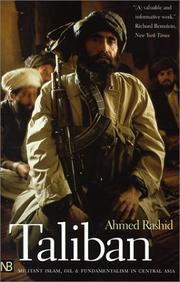 TalibanAhmed RashidA gripping, boots-on-the-ground descent into the shadowy intersection of religious extremism and global geopolitics.
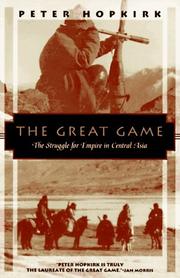 The Great GamePeter HopkirkA sweeping, real-life espionage thriller played out across the unforgiving deserts and mountain passes of nineteenth-century Central Asia.
 Charlie Wilson's WarGeorge Crile IIIA gripping, behind-closed-doors look at the rogue operatives and political mavericks who secretly funded a war and inadvertently reshaped the modern world.
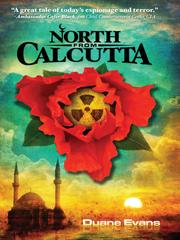 North from CalcuttaDuane EvansA high-stakes, authentic espionage thriller where global nuclear dread collides with a desperate fight to save a loved one.
 The betrayal of East PakistanAmir Abdullah Khan NiaziA controversial, embattled memoir from a defeated commander attempting to set the record straight against the tide of history.
 Lie Down With LionsKen FollettA sweeping, high-stakes blend of romantic entanglement and rugged survival set against the unforgiving backdrop of the Cold War.