Books › Promise At Midnight

Promise At Midnight
First published 1981 · 273 pages
A sun-drenched, tension-filled Mediterranean voyage where professional insecurities clash with an unexpected, undeniable attraction.
What it feels like
Reading this vintage 1980s romance feels like stepping onto a sun-drenched Mediterranean cruise ship where the sea breeze is thick with romantic tension. The narrative moves at a brisk, engaging clip, propelled by the delicious frustration of close-quarters drama. There is a distinct, nostalgic flavor to the emotional landscape, characterized by heightened melodrama, sharp-tongued banter, and the classic trope of a stifling engagement giving way to a more passionate, albeit turbulent, connection. The prose is straightforward but heavily focused on the protagonist's internal emotional turbulence and insecurities. It is a perfect, bite-sized escape for readers who crave the specific, angsty delight of classic category romance, complete with arrogant heroes, glamorous settings, and an inevitable, swoon-worthy resolution.
- Mood
- sun-drenched
- breezy
- tense
- claustrophobic
- Tone
- earnest
- melodramatic
- angsty
- romantic
- Pace
- brisk
- Themes
- toxic engagements · professional insecurity · unexpected attraction · close quarters
- The writing
- Straightforward and emotionally heightened, driven by sharp dialogue and the intense internal monologues typical of vintage category romance.
- The arc
- Moves from stifled frustration and self-doubt to a passionate, liberating romantic awakening.
- Who it's for
- Readers who love the nostalgic, high-drama escapism of 1980s Mills & Boon romances featuring arrogant heroes and cruise ship settings.
Content notes
- dated gender dynamics
- emotional manipulation
About the book
H2404 Her job as pianist on a Mediterranean cruise liner should have been as much fun as work for Shona—but alas, it wasn't. True, she had been engaged as accompanist to her fiancé Calvin, an up-and-coming flute player, but his presence there was only spoiling the job instead of completing its pleasure. Certainly she wasn't as talented as he was, but she was doing her best, and he didn't have to be quite so carping and critical! Nor did Marsh Faraday, who had no business at all to be as sarcastic and fault-finding as Calvin. So why did Shona find herself thinking more about Marsh than she was about Calvin?
Description from Open Library.
Books like Promise At Midnight
See why they match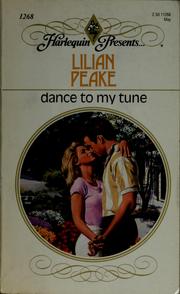 Dance to my tuneLilian PeakeA deliciously angsty vintage romance built on transactional vows, icy glares, and the desperate yearning to be truly seen.
 NO FRIEND OF MINELilian PeakeA classic, tension-filled battle of wills where old resentments mask a simmering, undeniable attraction.
 Wildfire at MidnightMary StewartA misty, atmospheric retreat into the Scottish highlands where rugged landscapes conceal creeping dread and rekindled romance.
 A Promise KeptAnnabel MurrayA sun-drenched, tension-filled romance where escaping the past proves impossible under the gaze of an enigmatic host.
 Half a world awayGloria BevanA cozy, vintage escape to the lush landscapes of New Zealand, where forced proximity sparks a gentle, slow-burn romance.
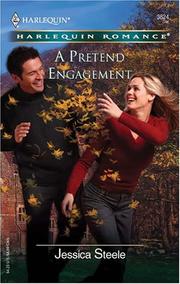 A Pretend EngagementJessica SteeleA classic, comforting escapist romance where forced proximity and a fake relationship inevitably give way to real feelings.