Books › Rabbit-proof fence

Rabbit-proof fence
First published 2002 · 160 pages
A harrowing yet deeply inspiring true story of endurance, following three girls who use the vast Australian landscape as their compass home.
What it feels like
Reading this book feels like walking across an immense, unforgiving, yet deeply familiar landscape. The narrative moves at a steady, deliberate pace, mirroring the grueling nine-week trek of its young protagonists. Stripped of melodrama, the prose is direct and matter-of-fact, drawing its immense emotional weight from the stark reality of the Stolen Generations rather than flowery language. You sit inside a mood that is both tense with the constant threat of capture and expansive with the girls' profound connection to Country. It is a haunting, arid, and ultimately triumphant reading experience. This book will deeply move readers who appreciate unvarnished true stories of survival, quiet defiance, and the unbreakable bonds of family against the backdrop of systemic injustice.
- Mood
- arid
- tense
- determined
- haunting
- Tone
- matter-of-fact
- resilient
- quietly defiant
- earnest
- Pace
- steady
- Themes
- survival against the odds · the trauma of the Stolen Generations · connection to Country · familial bonds · systemic injustice
- The writing
- Direct and unadorned, blending the factual grounding of historical biography with the intimate cadence of oral storytelling.
- The arc
- Moves from the devastating shock of forced separation into a grueling, tense trek of endurance, ending in a hard-won, bittersweet homecoming.
- Who it's for
- Readers who seek powerful, true accounts of resilience and are drawn to stories that illuminate the dark corners of colonial history.
Content notes
- child separation
- racism
- colonial violence
- systemic oppression
- starvation and dehydration
About the book
Author's 'real' name: Nugi Garimara
From Google books: "In Follow the Rabbit-Proof Fence Pilkington recalls with a searing irony one of the more farcical projects of land management in the newly federated states of Australia. In 1907 a fence 1,834 kms in length was built from the Great Southern Ocean to the coast of the top end for the purpose of preventing rabbits invading Western Australia from the eastern states. Of course it did nothing of the sort. In fact, in a kind of carnivalesque humour, Pilkington contends that there were more rabbits on the Western Australian side of the fence than on the South Australian side. In Follow the Rabbit-Proof Fence, however, the fence, for three young girls, is 'a symbol of love, home and security' those most coveted and most mourned entitlements for generations of stolen people. Molly, the oldest of the three and the leader of the group, succeeded in delivering the three to their homelands as she was equipped with a range of essential survival skills, those learned from her white father, an inspector on the fence, and those learned from her step-father, 'a former nomad from the desert' and an 'expert' in bushcraft."
Description from Open Library.
Books like Rabbit-proof fence
See why they match CloudstreetTim WintonA sprawling, sun-drenched epic of two fractured families colliding in a haunted house, finding grace in the chaotic mess of ordinary life.
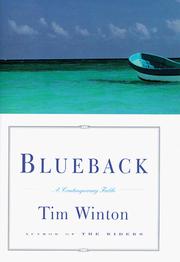 BluebackTim WintonA sun-drenched, salt-sprayed fable about the deep, quiet bonds between humanity and the ocean.
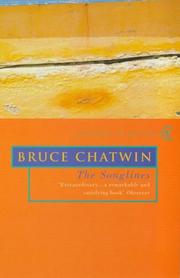 The SonglinesBruce ChatwinA genre-defying journey into the vastness of the Australian outback that explores the profound connection between landscape, movement, and human culture.
 A house called KangarooG. M. FullbrookA sun-baked journey into the vast Australian outback, where the landscape is lonely but the local family drama is inescapable.
 Mutant message down underMarlo MorganA grueling but spiritually transformative trek through the rugged Australian outback in search of ancient wisdom.
 Little House on the PrairieLaura WilderA sensory, sun-baked immersion into the daily rhythms and quiet perils of building a life from scratch on the vast American frontier.