Books › Refactoring
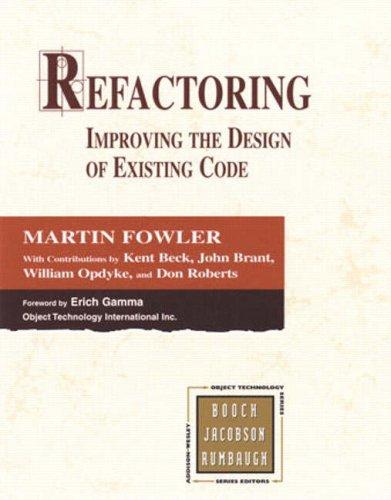
Refactoring
464 pages
A pragmatic masterclass in transforming chaotic, tangled systems into elegant, maintainable architecture through small, deliberate steps.
What it feels like
Reading this book feels like having a patient, expert mentor sitting beside you, guiding you through the tangled weeds of a messy codebase. The pace is steady and methodical, reflecting the very practice it teaches: making small, safe, and deliberate changes to improve design without breaking functionality. There is a deep sense of order and satisfaction that permeates the text, transforming the familiar anxiety of dealing with legacy systems into a feeling of control and professional craftsmanship. The prose is crisp, pragmatic, and highly structured, stripping away dense academic theory in favor of actionable, real-world solutions. It is a deeply grounding experience for software engineers, offering a reliable compass for navigating complexity and a satisfying blueprint for continuous improvement.
- Mood
- orderly
- focused
- satisfying
- structured
- Tone
- pragmatic
- authoritative
- encouraging
- analytical
- clear
- Pace
- steady
- Themes
- continuous improvement · software craftsmanship · taming complexity · technical debt · structural integrity
- The writing
- Crisp, direct, and highly structured, prioritizing absolute clarity and actionable advice over stylistic flourish.
- The arc
- Moves from the overwhelming anxiety of tangled, inherited systems to the quiet satisfaction of clean, manageable architecture.
- Who it's for
- Software developers and engineers eager to elevate their craft and bring order to chaotic codebases.
About the book
As the application of object technology--particularly the Java programming language--has become commonplace, a new problem has emerged to confront the software development community. Significant numbers of poorly designed programs have been created by less-experienced developers, resulting in applications that are inefficient and hard to maintain and extend. Increasingly, software system professionals are discovering just how difficult it is to work with these inherited, non-optimal applications. For several years, expert-level object programmers have employed a growing collection of techniques to improve the structural integrity and performance of such existing software programs. Referred to as refactoring, these practices have remained in the domain of experts because no attempt has been made to transcribe the lore into a form that all developers could use...until now. In Refactoring: Improving the Design of Existing Software, renowned object technology mentor Martin Fowler breaks new ground, demystifying these master practices and demonstrating how software practitioners can realize the significant benefits of this new process.
Description from Open Library.
Books like Refactoring
See why they match Clean CodeRobert C. MartinA tough-love mentorship session that transforms the chaotic art of programming into a disciplined, elegant craft.
 Design PatternsErich Gamma, John Vlissides and othersAn authoritative, foundational text that feels like unlocking the hidden architectural secrets of elegant software design.
 The clean coderRobert C. MartinA stern but deeply motivating mentorship session on what it means to be a true professional in the software industry.
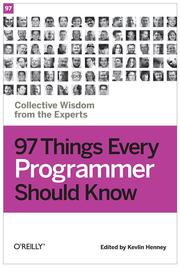 97 Things Every Programmer Should KnowKevlin HenneyA chorus of veteran mentors offering bite-sized, hard-won wisdom to elevate your daily coding practice.
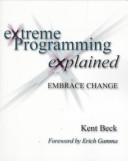 Extreme programming explainedKent Beck; Cynthia AndresA pragmatic, energizing manifesto that strips away bureaucratic bloat to reveal a more humane, adaptable way to build things together.
 Introduction to Java ProgrammingY. Daniel LiangA structured, methodical journey from a blank screen to compiling code, offering the quiet satisfaction of mastering complex logic.