Books › Religion and the Decline of Magic

Religion and the Decline of Magic
Studies in Popular Beliefs in Sixteenth and Seventeenth Century England
First published 1971 · 853 pages
A monumental, deeply immersive journey into the superstitious minds and precarious lives of early modern English people.
What it feels like
Reading this monumental work of history feels like stepping through a portal into a world where the veil between the mundane and the supernatural is paper-thin. The pace is steady and deliberate, asking you to settle in as the author meticulously builds a deeply textured landscape of early modern England. It is an intellectually thrilling and atmospheric experience, packed with granular, humanizing anecdotes of cunning folk, astrologers, and ordinary people desperate to control their precarious lives. The prose is scholarly yet remarkably accessible, balancing academic authority with a genuine empathy for the anxieties of the past. It will thoroughly delight readers who love microhistory, folklore, and the slow, fascinating unraveling of how human consciousness shifted from magical thinking to modern rationalism.
- Mood
- intellectually stimulating
- atmospheric
- grounded
- eerie
- Tone
- scholarly
- authoritative
- empathetic
- curious
- analytical
- Pace
- steady
- Themes
- the twilight of enchantment · faith versus reason · human need for control · texture of everyday life · evolution of belief
- The writing
- Dense, meticulously researched, and richly anecdotal, balancing academic rigor with a storyteller's eye for human detail.
- The arc
- Moves from a sense of overwhelming, chaotic enchantment to a sobering, clarified understanding of a rationalizing world.
- Who it's for
- History buffs, folklore enthusiasts, and readers who love getting lost in the granular, everyday details of how past societies actually thought and lived.
Content notes
- historical executions
- witchcraft trials
- religious persecution
About the book
Witchcraft, astrology, divination and every kind of popular magic flourished in England during the sixteenth and seventeenth centuries, from the belief that a blessed amulet could prevent the assaults of the Devil to the use of the same charms to recover stolen goods. At the same time the Protestant Reformation attempted to take the magic out of religion, and scientists were developing new explanations of the universe. Keith Thomas's classic analysis of beliefs held on every level of English society begins with the collapse of the medieval Church and ends with the changing intellectual atmosphere around 1700, when science and rationalism began to challenge the older systems of belief.
Description from Open Library.
Books like Religion and the Decline of Magic
See why they match Complete book of witchcraftRaymond BucklandA structured, encouraging workbook that feels like sitting in the classroom of a wise, pragmatic elder.
 The ReformationDiarmaid MacCullochA sweeping, authoritative immersion into the violent ideological ruptures that shattered the medieval world and forged modernity.
 Witchcraft and black magicMontague SummersA scholarly, mid-century exploration of the dark arts and esoteric history.
 Breaking the spellDaniel C. DennettA methodical, clear-eyed dissection of humanity's oldest and most fiercely protected cultural phenomenon.
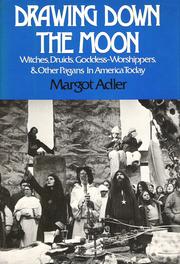 Drawing down the MoonMargot AdlerAn immersive, empathetic journey into the living rooms and forest clearings of America's modern magical revival.
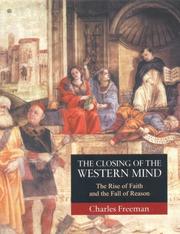 The Closing of the Western MindCharles FreemanA sweeping intellectual history that mourns the loss of classical inquiry to the rigid dogmas of early religious authority.