Books › Richard III. König von England. Mythos und Wirklichkeit

Richard III. König von England. Mythos und Wirklichkeit
610 pages
A definitive, beautifully written historical investigation that peels back centuries of myth to examine a deeply controversial legacy.
What it feels like
Reading this biography feels like stepping into a grand, centuries-old debate, guided by a narrator who values both rigorous evidence and elegant prose. The mood is contemplative and investigative, immersing the reader in the murky realities of fifteenth-century political intrigue and the enduring mysteries of a short, turbulent reign. Rather than rushing to judgment, the text maintains a steady, thoughtful pace, carefully untangling historical myth from documented reality. The prose itself is a standout feature, scholarly yet marked by literary distinction, offering descriptions that are both stimulating and beautiful. It is an experience tailored for history enthusiasts who crave definitive, well-researched biographies that do not sacrifice narrative grace, offering a nuanced exploration of a deeply controversial legacy.
- Mood
- contemplative
- investigative
- serious
- historical
- Tone
- scholarly
- inquisitive
- thoughtful
- literary
- objective
- Pace
- steady
- Themes
- historical truth versus myth · the weight of legacy · political intrigue · the nature of historical debate
- The writing
- Scholarly yet marked by literary distinction, featuring descriptions that are stimulating and beautifully crafted.
- The arc
- Moves from the intrigue of entrenched historical myths toward a nuanced, scholarly appreciation of a complex legacy.
- Who it's for
- History enthusiasts who crave definitive, rigorously researched biographies that do not sacrifice narrative grace.
Content notes
- historical violence
- murder
- death of children
About the book
Did Richard III Really Kill The Princes in the Tower? Richard cannot escape all blame as they were in his custody when they disappeared. It is quite likely Richard was present at the death of Henry VI, but on Edward's command, and there is no evidence that he wielded the knife. Similarly, there is no evidence he slew Henry's heir, Edward of Lancaster after the Battle of Tewekesbury. Yet, if Richard did not kill them, then who did?
Richard III may have reigned only from 1483 to 1485, but those two short years and the events leading to them have provoked centuries of historical debate over Richard's character. Richard was not king long enough to write his own history, but the fascination he has cast over both professional and amateur historians continues today. This work was critically very well received and was a runner-up for the National Book Award in 1956, also picked one of the best books of the year by the American Library Association.
In the Chicago Tribune, A. L. Rowse called it "The best biography of Richard III that has been written.", whereas Saturday Review's Geoffrey Bruun opined: "A definitive biography of Richard III. It is a noteworthy performance." The Times Literary Supplement wrote: "Brilliantly successful... combines sound scholarship with literary distinction... his descriptions... are always stimulating and sometimes beautiful."
Description from Open Library.
Books like Richard III. König von England. Mythos und Wirklichkeit
See why they match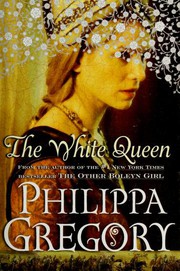 The White QueenPhilippa GregoryA sweeping, treacherous plunge into the velvet-draped cutthroat politics of a royal court, where romance and ambition are equally dangerous.
 The Red QueenPhilippa GregoryA fiercely intimate portrait of ruthless maternal ambition and religious zealotry set against the treacherous backdrop of a warring kingdom.
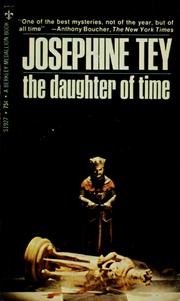 The Daughter of TimeJosephine TeyA cozy, fiercely intelligent armchair mystery that turns historical research into a gripping psychological puzzle.
 The PlantagenetsDan JonesA cinematic, blood-soaked ride through the reigns of England's most ruthless and charismatic royal dynasty.
 The six wives of Henry VIIIAlison WeirA meticulously researched yet compulsively readable plunge into the glittering, dangerous world of the Tudor court.
 King Richard IIWilliam ShakespeareA lyrical, devastating portrait of a monarch losing his crown and discovering his humanity in the ashes of his power.