Books › Rien ne s'oppose à la nuit

Rien ne s'oppose à la nuit
436 pages
A haunting and intimate exploration of family memory, where spectacular joy lives side-by-side with profound grief and hidden secrets.
What it feels like
Reading this book feels like stepping into the delicate, fragmented landscape of a family's collective memory. The narrative unfolds at a meandering, deeply introspective pace, driven not by plot but by a hesitant, searching quest to understand a mother's pain. The mood is profoundly bittersweet, balancing the noisy, spectacular joy of childhood with the heavy, haunting echoes of grief, disaster, and hidden wounds. Its prose acts as an earnest inquiry, acknowledging that writing cannot heal the past, but can only interrogate the destructive power of both words and silence. It is a deeply intimate experience, perfect for readers who are drawn to autobiographical fiction that explores the complex, unresolved emotional textures of mother-daughter relationships and the enduring weight of family secrets.
- Mood
- introspective
- bittersweet
- haunting
- emotionally heavy
- Tone
- reflective
- earnest
- melancholic
- intimate
- searching
- Pace
- meandering
- Themes
- the weight of family memory · maternal pain and mental illness · hidden family secrets · the destructive power of silence · intertwined grief and joy
- The writing
- Introspective and searching, the writing acts as a delicate, hesitant inquiry into the past rather than a definitive explanation.
- The arc
- Moves from a hesitant questioning of a painful past toward a profound, albeit unresolved, exploration of family memory and maternal grief.
- Who it's for
- Readers who appreciate deeply personal, autobiographical explorations of family trauma, mental illness, and the complex bonds between mothers and daughters.
Content notes
- mental illness
- grief
- family trauma
About the book
The pain of Lucile, my mother, was part of our childhood and later adult life for my sister and me, but any attempt at an explanation was doomed to failure. Writing about it cannot heal it, but at least it allows me to ask questions and query memory. This is about family memory, where moments of brightness and joy can live side-by-side with grief, wounds and the most hidden of family secrets.
"La douleur de Lucile, ma mère, a fait partie de notre enfance et plus tard de notre vie d'adulte, la douleur de Lucile sans doute nous constitue, ma sœur et moi, mais toute tentative d'explication est vouée à l'échec. L'écriture n'y peut rien, tout au plus me permet-elle de poser les questions et d'interroger la mémoire. La famille de Lucile, la nôtre par conséquent, a suscité tout au long de son histoire de nombreux hypothèses et commentaires. Les gens que j'ai croisés au cours de mes recherches parlent de fascination; je l'ai souvent entendu dire dans mon enfance. Ma famille incarne ce que la joie a de plus bruyant, de plus spectaculaire, l'écho inlassable des morts, et le retentissement du désastre. Aujourd'hui je sais aussi qu'elle illustre, comme tant d'autres familles, le pouvoir de destruction du Verbe, et celui du silence. Le livre, peut-être, ne serait rien d'autre que ça, le récit de cette quête, contiendrait en lui-même sa propre genèse, ses errances narratives, ses tentatives inachevées. Mais il serait cet élan, de moi vers elle, hésitant et inabouti. Dans cette enquête éblouissante au cœur de la mémoire familiale, où les souvenirs les plus lumineux côtoient les secrets les plus enfouis, ce sont toutes nos vies, nos failles et nos propres blessures que Delphine de Vigan déroule avec force"--Amazon.com, viewed January 12, 2012.
Description from Open Library.
Books like Rien ne s'oppose à la nuit
See why they match No et moiDelphine de ViganA tender, sharp-eyed exploration of an unlikely friendship that tests the boundaries of youthful idealism against the harsh realities of the adult world.
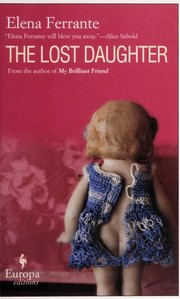 La figlia oscuraElena FerranteA sun-drenched, psychologically suffocating plunge into the taboo realities of maternal ambivalence and the inescapable weight of the past.
 La placeAnnie ErnauxA stark, unsentimental excavation of the quiet chasm that opens between a working-class father and his educated daughter.
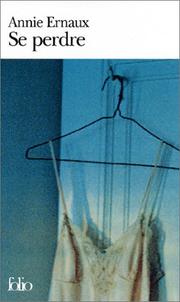 Les annéesAnnie ErnauxA sweeping, unsentimental meditation on time that transforms a single life into the shared memory of an entire generation.
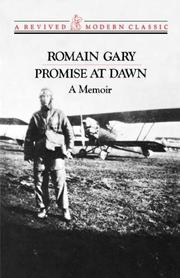 Promise at DawnRomain GaryA sweeping, deeply affectionate memoir of a fierce maternal bond that propels a young man through the adventures and trials of the twentieth century.
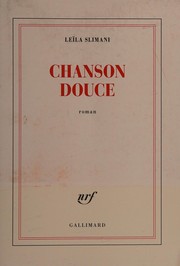 Chanson douceLeila SlimaniA sharp, dread-soaked domestic thriller that dissects the claustrophobic trap of class and mutual dependence within a modern Parisian family.