Books › Salammbô

Salammbô
696 pages
A hallucinatory, blood-soaked fever dream of ancient Carthage, rendered in prose so opulent it feels like crushed jewels.
What it feels like
Reading this novel is like wandering through a museum of antiquities while caught in a fever dream. Flaubert constructs ancient Carthage with obsessive, jewel-toned precision, burying the reader under avalanches of sensory detail—the scent of myrrh, the gleam of bronze, the suffocating heat of the North African sun. The pace is steady and deliberate, demanding that you linger over the grotesque and the gorgeous alike. It is a deeply atmospheric, decadent experience, where obsessive lust and apocalyptic warfare are described with the same cold, lapidary beauty. This is a book for readers who want to be overwhelmed by prose, who appreciate historical fiction not for its moral lessons, but for its sheer, brutal, and intoxicating spectacle.
- Mood
- decadent
- blood-soaked
- sensuous
- hallucinatory
- oppressive
- Tone
- grandiose
- detached
- opulent
- brutal
- Pace
- steady
- Themes
- obsessive desire · decadent excess · the brutality of war · sacred transgression · civilization versus barbarism
- The writing
- Highly stylized, jewel-toned, and obsessively detailed, rendering both horrific violence and lavish wealth with the same cold, lapidary precision.
- The arc
- Begins in a state of awe-struck fascination with ancient opulence and descends into a grueling, visceral nightmare of apocalyptic violence and tragic doom.
- Who it's for
- Readers who crave immersive, historically dense epics where the prose is as rich, unforgiving, and spectacular as the ancient world it depicts.
Content notes
- graphic violence
- torture
- animal cruelty
- starvation
- cannibalism
About the book
Salammbô (1862) is a historical novel by Gustave Flaubert.[1] It is set in Carthage during the 3rd century BC,[1] immediately before and during the Mercenary Revolt which took place shortly after the First Punic War.
After the First Punic War, Carthage is unable to fulfil promises made to its army of mercenaries, and finds itself under attack. The fictional title character, a priestess and the daughter of Hamilcar Barca, an aristocratic Carthaginian general, is the object of the obsessive lust of Matho, a leader of the mercenaries. With the help of the scheming freed slave, Spendius, Matho steals the sacred veil of Carthage, the Zaïmph, prompting Salammbô to enter the mercenaries' camp in an attempt to steal it back.
Description from Open Library.
Books like Salammbô
See why they match Ben HurLew WallaceA sweeping, sand-swept epic of vengeance and redemption set against the crushing weight of the Roman Empire.
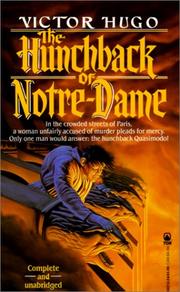 Notre Dame de ParisVictor HugoA sweeping, tragic monument to a bygone era, where the architecture breathes and human passions burn with destructive intensity.
 NanaZola, EmileA glittering, feverish descent into the opulent rot of a society consuming itself through desire.
 Quo Vadis? Powieść z czasów NeronaHenryk SienkiewiczA sweeping, opulent epic that plunges you into the decadent heart of Nero's Rome, where a clash of empires and faiths sparks a profound spiritual awakening.
 Carnival coastCharlotte LambA sun-drenched, high-stakes battle of wills on the French coast where family duty collides with undeniable attraction.
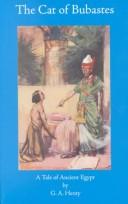 The Cat of BubastesG. A. HentyA classic, sweeping journey of survival and exile set against the sun-baked monuments of the ancient world.