Books › Sandworm
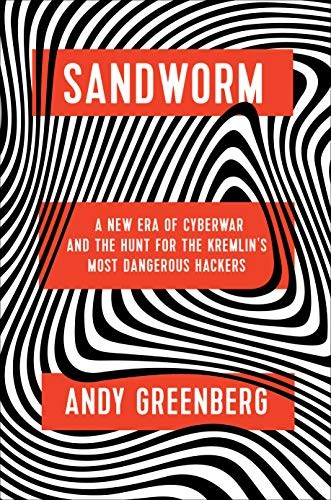
Sandworm
368 pages
A gripping, dread-inducing investigation into the invisible cyber wars already raging around us.
What it feels like
Reading this book feels like watching a slow-motion disaster unfold in the digital realm. It reads with the propulsive velocity of a high-stakes espionage thriller, yet the chilling reality is that every line is meticulously researched nonfiction. The atmosphere is steeped in a mounting, dread-soaked paranoia as isolated computer glitches are masterfully connected to reveal a sprawling, invisible battlefield. The prose is crisp and authoritative, effortlessly translating dense cybersecurity concepts into accessible, urgent narrative beats. It is a deeply unsettling experience that fundamentally shifts how you view the fragility of the modern world. This is a must-read for anyone who devours investigative journalism, geopolitical true crime, and stories about the hidden technological forces that hold our fragile infrastructure together.
- Mood
- tense
- paranoid
- dread-soaked
- high-stakes
- Tone
- urgent
- authoritative
- chilling
- investigative
- Pace
- propulsive
- Themes
- fragility of modern infrastructure · invisible warfare · geopolitical vulnerability · the weaponization of code
- The writing
- Crisp, journalistic, and highly accessible, translating complex technical concepts into the gripping rhythm of a thriller.
- The arc
- Begins as a curious technological mystery and steadily escalates into a chilling realization of global vulnerability.
- Who it's for
- Fans of narrative nonfiction who crave deep-dive investigations into technology, espionage, and the hidden forces shaping our modern world.
Content notes
- geopolitical anxiety
- infrastructure collapse
About the book
In 2014, the world witnessed the start of a mysterious series of cyberattacks. Targeting American utility companies, NATO, and electric grids in Eastern Europe, the strikes grew ever more brazen. They culminated in the summer of 2017, when the malware known as NotPetya was unleashed, penetrating, disrupting, and paralyzing some of the world’s largest businesses—from drug manufacturers to software developers to shipping companies. At the attack’s epicenter in Ukraine, ATMs froze. The railway and postal systems shut down. Hospitals went dark. NotPetya spread around the world, inflicting an unprecedented ten billion dollars in damage—the largest, most destructive cyberattack the world had ever seen.
The hackers behind these attacks are quickly gaining a reputation as the most dangerous team of cyberwarriors in history: a group known as Sandworm. Working in the service of Russia’s military intelligence agency, they represent a persistent, highly skilled force, one whose talents are matched by their willingness to launch broad, unrestrained attacks on the most critical infrastructure of their adversaries. They target government and private sector, military and civilians alike.
A chilling, globe-spanning detective story, Sandworm considers the danger this force poses to our national security and stability. As the Kremlin’s role in foreign government manipulation comes into greater focus, Sandworm exposes the realities not just of Russia’s global digital offensive, but of an era where warfare ceases to be waged on the battlefield. It reveals how the lines between digital and physical conflict, between wartime and peacetime, have begun to blur—with world-shaking implications.
Description from Open Library.
Books like Sandworm
See why they match The perfect weaponDavid E. SangerA gripping, sobering plunge into the invisible wars being waged across our digital networks every single day.
 This Is How They Tell Me the World EndsNicole PerlrothA chilling, thriller-paced descent into the invisible digital arms race that threatens global security.
 Countdown to Zero Day: Stuxnet and the Launch of the World's First Digital WeaponKim ZetterA gripping, real-life techno-thriller that unspools the terrifying dawn of digital warfare.
 Tracers in the DarkAndy GreenbergA high-stakes, globe-trotting cyber-thriller that proves the internet's darkest corners are never as anonymous as they seem.
 Cult of the Dead CowJoseph MennA thrilling, clandestine ride through the underground origins of hacktivism and the digital rebels who shaped the modern internet.
 Dark territoryFred M. KaplanA gripping, shadowy tour through the classified corridors where the rules of digital warfare were quietly written.