Books › Selected poetry

Selected poetry
First published 1996 · 352 pages
A lush, sensory immersion into the fleeting beauty of the natural world and the bittersweet ache of human mortality.
What it feels like
Reading this collection feels like stepping into a sun-dappled, slightly overgrown garden at the very edge of autumn. The pace is inherently leisurely, demanding that you slow down to let the rich, honeyed syllables dissolve on your tongue. It is an intensely sensory experience, steeped in a mood that is at once lushly romantic and profoundly melancholic. The verses vibrate with an earnest, passionate tone, exploring the delicate threshold where exquisite pleasure meets the inevitability of decay. The language is famously tactile and musical, wrapping profound philosophical inquiries about art, soul-making, and mortality in velvet imagery. It will deeply delight readers who want to be overwhelmed by beauty and who find comfort in the bittersweet acknowledgment that all fair things must fade.
- Mood
- lush
- autumnal
- bittersweet
- dreamlike
- Tone
- earnest
- passionate
- melancholic
- reverent
- sensuous
- Pace
- leisurely
- Themes
- mortality and transience · the beauty of nature · power of imagination · pleasure and pain · soul-making
- The writing
- Richly textured, intensely sensory, and musical, characterized by lush imagery and a masterful command of meter and vowel sounds.
- The arc
- Moves from youthful, exuberant romanticism to a profound, bittersweet acceptance of mortality and the fleeting nature of beauty.
- Who it's for
- Readers who crave deep emotional resonance, tactile language, and philosophical reflections on beauty and mortality.
Content notes
- grief
- death
- terminal illness
About the book
Before the moment of 'self-will' when he declared his intention to be a poet, Keats (1795-1821) had chosen the medical profession. His medical training influenced his conception of poetry as an art that could mitigate the world's suffering. Keats's generous spirit triumphed over personal sadness, finding expression in his concept of life as a 'vale of Soul-making' rather than a vale of tears.
He died at the age of 25, having published three volumes of poetry; while many of his contemporaries quickly recognized his genius, snobbery and political hostility led the Tory press to vilify him.
This selection, chosen from the Oxford Authors critical edition of Keats's major works, demonstrates the remarkable growth in maturity of his verse, from early poems such as 'Imitation of Spenser' and 'Ode to Apollo' to later work such as 'The Eve of St Agnes', 'Ode to a Nightingale', and 'To Autumn'. Elizabeth Cook's introduction, notes, and glossary of classical names offer helpful insights into Keats's life and work.
Description from Open Library.
Books like Selected poetry
See why they match PoemsTennyson, AlfredA lush, melancholic journey through mythic landscapes and the profound depths of human grief, carried by some of the most musical verse in the English language.
 christabelSamuel Taylor ColeridgeA meticulous, chronological journey through the restless imagination and evolving genius of a master poet.
 PoemsSamuel Taylor ColeridgeA descent into a dreamscape where nature's sublime beauty collides with haunting, supernatural visions.
 PoemsPercy Bysshe ShelleyA scholarly and reverent immersion into the uncompromising spirit and textual legacy of a legendary poet.
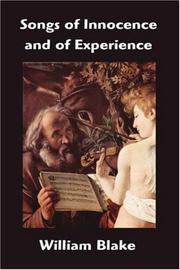 Songs of Innocence and of ExperienceWilliam BlakeA visionary descent from the sunlit pastures of childhood wonder into the soot-stained realities of a fallen world.
 PoemsWilliam BlakeA visionary journey through the light of innocence and the shadows of experience, guided by two kindred artistic souls.