Books › Self-directed behavior

Self-directed behavior
First published 1972 · 402 pages
A methodical, evidence-based toolkit that transforms the daunting task of personal change into a series of manageable, scientific steps.
What it feels like
Reading this book feels like sitting down with a supportive but no-nonsense behavioral scientist who hands you a clipboard and says, 'Let's get to work.' The pace is steady and deliberate, designed not for binge-reading but for methodical application. Its mood is industrious and focused, stripping away the mystical fluff of typical self-help to reveal the clinical, mechanical realities of how human habits actually function. The prose is distinctly academic yet highly accessible, prioritizing clear instructions, charts, and actionable frameworks over emotional coddling. It is a deeply pragmatic experience that appeals to readers who are tired of vague inspiration and instead crave rigorous, evidence-based blueprints for self-mastery. You leave the text feeling less like a passive observer of your own life and more like its chief engineer.
- Mood
- industrious
- focused
- clinical
- hopeful
- Tone
- pragmatic
- academic
- encouraging
- objective
- structured
- Pace
- steady
- Themes
- habit formation · personal agency · systematic self-improvement · behavioral change · self-mastery
- The writing
- Clear, instructional, and grounded in academic rigor, prioritizing actionable clarity over stylistic flourish.
- The arc
- Moves from a sense of behavioral helplessness to a feeling of structured, methodical empowerment.
- Who it's for
- Highly motivated self-improvers and psychology students seeking evidence-based, step-by-step frameworks for changing their own habits.
Content notes
- discussions of mental health
- addiction and habit struggles
About the book
Includes bibliographical references (p. 319-342) and indexes. "A Clairemont book"--T.p. verso.
Description from Open Library.
Books like Self-directed behavior
See why they match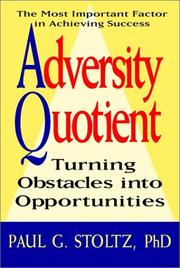 Adversity quotientPaul Gordon StoltzA pragmatic, empowering framework for turning life's inevitable setbacks into stepping stones for success.
 MotivationRobert C. BeckA rigorous, academic deep-dive into the psychological and physiological engines of human behavior.
 Applied behavior analysisJohn O. CooperA rigorous, encyclopedic deep dive into the mechanics of human behavior and the empirical science of learning.
 Psychology of adjustment and human relationshipsJames F. CalhounA structured, academic exploration of how we adapt to life's challenges and forge connections with others.
 PsychologyDavid G. MyersAn illuminating, highly readable exploration of the human mind that transforms everyday observations into profound psychological insights.
 The principles of learning and behaviorMichael DomjanA rigorous, foundational journey into the mechanics of how creatures acquire knowledge and adapt their actions.