Books › Sorstalanság

Sorstalanság
First published 1992 · 713 pages
A chillingly rational, unsentimental descent into the normalization of unimaginable horror.
What it feels like
Reading this novel is a profoundly disorienting experience, defined by its chillingly matter-of-fact narration. The pace is steady and methodical, mirroring the protagonist's attempt to logically process the illogical machinery of the Holocaust. Instead of relying on emotional manipulation or overt horror, the prose is deceptively simple, objective, and almost naive, which makes the descent into the camps all the more devastating. The mood is stark and claustrophobic, trapping the reader in a world where the unimaginable becomes a daily routine. It is a book for readers who seek philosophically rigorous, unsentimental literature that strips away the comforting illusions of fate and heroism, leaving behind a haunting meditation on survival and the absurdity of human cruelty.
- Mood
- bleak
- claustrophobic
- chilling
- stark
- Tone
- detached
- matter-of-fact
- ironic
- unsentimental
- naive
- Pace
- steady
- Themes
- normalization of horror · absurdity of totalitarianism · loss of innocence · mechanics of survival · alienation
- The writing
- Precise, deceptively simple, and chillingly rational, mirroring the protagonist's attempt to logically process the illogical.
- The arc
- The journey moves from a naive, rationalizing acceptance of shifting circumstances to a profound, chilling alienation from both the trauma endured and the society returned to.
- Who it's for
- Readers who appreciate profound, philosophically challenging literature that confronts the darkest parts of human history without relying on sentimentality.
Content notes
- Holocaust
- concentration camps
- starvation
- antisemitism
- extreme physical suffering
- death
About the book
Fateless or Fatelessness (Hungarian: Sorstalanság, lit. 'Fatelessness') is a novel by Imre Kertész, winner of the 2002 Nobel Prize for literature, written between 1960 and 1973 and first published in 1975.
The novel is a semi-autobiographical story about a 14-year-old Hungarian Jew's experiences in the Auschwitz and Buchenwald concentration camps. The book is the first part of a trilogy, which continues in A kudarc ("Fiasco" ISBN 0-8101-1161-6) and Kaddis a meg nem született gyermekért ("Kaddish for an Unborn Child" ISBN 1-4000-7862-8).
Kertész won the Nobel Prize for Literature in 2002, "for writing that upholds the fragile experience of the individual against the barbaric arbitrariness of history".
Description from Open Library.
Books like Sorstalanság
See why they match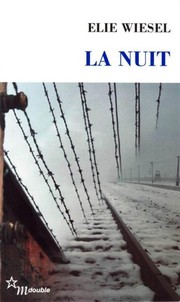 La NuitElie WieselA stark, unforgettable testament to survival that strips away all illusions about humanity and faith.
 Child of the HolocaustJack KuperA stark, deeply personal testament to survival and the shattering of childhood during one of history's darkest chapters.
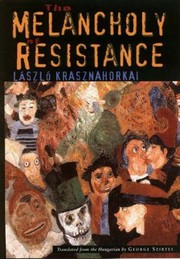 Az ellenállás melankóliájaLászló KrasznahorkaiA dense, apocalyptic descent into madness where cosmic dread meets small-town fascism.
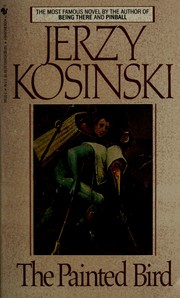 The Painted BirdJerzy KosinskiA harrowing, unflinching descent into the darkest corners of human cruelty, told with the surreal detachment of a grim fairy tale.
 I sommersi e i salvatiPrimo LeviA devastatingly lucid and urgent meditation on the moral complexities of survival and the fragility of human memory.
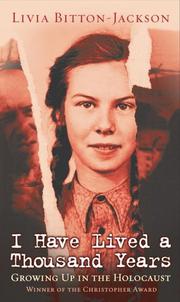 I Have Lived a Thousand YearsLivia Bitton-JacksonA harrowing yet deeply human testament to a teenager's survival and the unbreakable bond between mother and daughter in the darkest of times.