Books › Stand on Zanzibar

Stand on Zanzibar
First published 1968 · 650 pages
A kaleidoscopic, fragmented plunge into an overpopulated, media-saturated future that feels uncomfortably close to our present.
What it feels like
Reading this book is like channel-surfing through a dystopian television set while a dozen radios play in the background. It is a deliberately overwhelming experience, utilizing a fragmented, collage-like structure to hurl the reader into a claustrophobic, overpopulated world. Instead of a traditional linear plot, you are bombarded with faux-news clippings, advertisements, and sociological vignettes that slowly coalesce into a chillingly prophetic vision of corporate hegemony and technological alienation. The prose is sharp, cynical, and relentlessly inventive, demanding patience as it meanders through the noise of its own universe. It is a masterpiece for readers who crave dense, experimental world-building and do not mind sacrificing a straightforward narrative for a deeply immersive, paranoid, and intellectually stimulating atmosphere.
- Mood
- claustrophobic
- chaotic
- paranoid
- overwhelming
- Tone
- cynical
- satirical
- prophetic
- urgent
- Pace
- meandering
- Themes
- information overload · corporate hegemony · societal collapse · technological alienation · overpopulation
- The writing
- A fragmented, kaleidoscopic collage of traditional narrative, faux-news clippings, advertisements, and sociological infodumps.
- The arc
- Begins with disorienting immersion in a hyper-stimulated society and settles into a chilling, cynical acceptance of systemic doom.
- Who it's for
- Readers who enjoy dense, structurally experimental science fiction that prioritizes sprawling sociological world-building over traditional plotting.
Content notes
- mass violence
- drug use
- eugenics
- racism
- misogyny
About the book
"Originally published in 1968, Stand on Zanzibar was a breakthrough in science fiction storytelling technique, and a prophetic look at a dystopian 2010 that remains compelling today. Corporations have usurped democracy, ubiquitous information technology mediates human relationships, mass-marketed psychosomatic drugs keep billions docile, and genetic engineering is routine. Universal in reach, the world-system is out of control, and we are all its victims...and its creator"--Cover p. [4].
Description from Open Library.
Books like Stand on Zanzibar
See why they match Beyond This HorizonRobert A. HeinleinA restless romp through a genetically perfected utopia where the ultimate luxury is finding something worth fighting for.
 AccelerandoCharles StrossA relentless, jargon-fueled rollercoaster ride through the technological singularity that will leave your brain feeling overclocked.
 Blue MarsKim Stanley RobinsonA sweeping, deeply philosophical meditation on time, ecology, and the monumental effort required to build a utopian society.
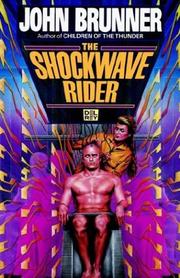 The Shockwave RiderJohn BrunnerA frenetic, eerily prescient plunge into a hyper-connected dystopia where information is both the ultimate weapon and the only escape.
 InfomocracyMalka OlderA cerebral, high-stakes political thriller where data is the ultimate weapon and democracy is a fragile, hackable experiment.
 The WandererFritz LeiberA tense, thrilling plunge into the catastrophic arrival of a massive artificial world that wreaks havoc on Earth.