Books › String Theory

String Theory
158 pages
A reflective and analytical essay collection that dissects the physical and narrative complexities of tennis.
What it feels like
Reading this collection feels like sitting courtside with a brilliantly observant companion who sees far beyond the simple back-and-forth of the game. The steady, contemplative pace allows for deep dives into the mechanics of athletic greatness and the often-flawed ways we write about sports. It balances a nostalgic, personal mood rooted in the author's own youth as a regionally ranked player with a sharp, critical eye turned toward the world's greatest professionals. The prose is analytical yet intimate, challenging the traditional boundaries of the sports memoir while remaining deeply appreciative of the athletes' physical genius. It will thoroughly delight readers who crave literary sports writing that treats the court as a canvas for exploring ambition, mastery, and human limitation.
- Mood
- contemplative
- observant
- nostalgic
- Tone
- analytical
- reflective
- critical
- personal
- Pace
- steady
- Themes
- athletic greatness · the limits of memoir · youthful ambition · sports as literature
- The writing
- Thoughtful and deeply observant, blending intimate personal anecdotes with sharp, genre-challenging critique.
- The arc
- Journeys from personal reflections on youthful ambition to a profound, critical awe of professional athletic mastery.
- Who it's for
- Readers who appreciate literary sports writing and deep, analytical profiles of athletic dedication.
About the book
Collects essays about tennis in which the author challenges the sports memoir genre, profiles two of the world's greatest players, and shares his own experiences in his youth as a regionally ranked tennis player.
Description from Open Library.
Books like String Theory
See why they match Infinite JestDavid Foster WallaceA sprawling, tragicomic labyrinth of footnotes and hyper-articulate despair that asks what it means to be entertained to death.
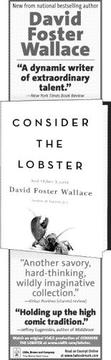 Consider the lobster, and other essaysDavid Foster WallaceA dizzying, hyper-articulate plunge into the absurdities and moral anxieties of modern American life.
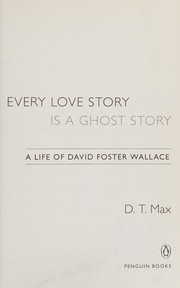 Every love story is a ghost storyD. T. MaxAn intimate, painful, and deeply sincere portrait of a brilliant but tormented literary mind.
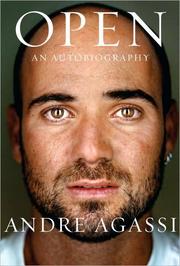 OpenAndre AgassiA breathtakingly honest dissection of the psychological toll of greatness and the painful journey to finding one's true self.
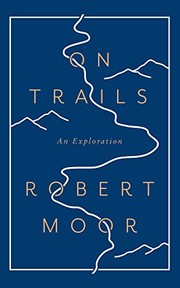 On TrailsRobert MoorA thoughtful, wandering journey that changes the way you look at the ground beneath your feet and the choices that guide your life.
 Carrie Soto Is BackTaylor Jenkins ReidA fierce, sweat-drenched exploration of ambition, legacy, and what it costs a woman to be the absolute best.