Books › Stuck Rubber Baby

Stuck Rubber Baby
First published 1995 · 248 pages
A dense, meticulously cross-hatched journey through the intersecting crucibles of the 1960s civil rights movement and queer awakening.
What it feels like
Reading this graphic novel feels like stepping into a meticulously rendered, deeply textured memory. The dense, obsessive cross-hatching of the artwork mirrors the suffocating atmosphere of the 1960s American South, creating a visual claustrophobia that perfectly matches the protagonist's closeted reality. It reads at a steady, deliberate pace, demanding that you sit with the heavy, intertwined realities of systemic racism and virulent homophobia. The mood is tense and often oppressive, yet threaded with a profound, resilient compassion as characters fight for their right to exist. It is a dialogue-rich, emotionally unflinching experience that refuses to offer easy answers. Fans of historically grounded, deeply personal graphic narratives will find themselves completely absorbed by its earnest exploration of the cost of silence and the painful, beautiful birth of activism.
- Mood
- tense
- nostalgic
- heavy
- resilient
- Tone
- reflective
- earnest
- unflinching
- compassionate
- Pace
- steady
- Themes
- intersectional activism · coming of age in the closet · systemic prejudice · the cost of silence · finding chosen family
- The writing
- Visually and textually dense, characterized by meticulous, claustrophobic cross-hatching and deeply grounded, dialogue-heavy storytelling.
- The arc
- Moves from suffocating denial and societal complicity toward a painful but liberating awakening.
- Who it's for
- Readers who crave immersive, historically rigorous graphic narratives that explore the messy intersections of personal identity and civil rights.
Content notes
- homophobia
- racism and racial slurs
- hate crimes
- police brutality
- grief
About the book
A truly eye-opening comic. The story is set in the South in the early '60s and deals with homophobia, racism and the gay subculture of that period. The art is absolutely beautiful; Cruse is a master of the cross-hatching technique, which gives a certain "texture" to his art work and brings his pages to life. Stuck Rubber Baby is easily the most important comic book since Art Spiegelman's Maus.
Description from Open Library.
Books like Stuck Rubber Baby
See why they match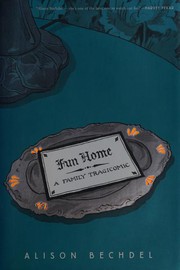 Fun HomeAlison BechdelA darkly funny, deeply literary graphic memoir that dissects the complicated legacy of a closeted parent and a daughter's own queer awakening.
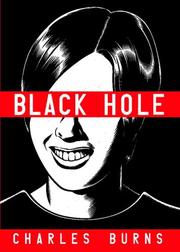 Black HoleCharles BurnsA hypnotic, high-contrast descent into the grotesque anxieties of adolescence, where teenage alienation takes terrifying physical form.
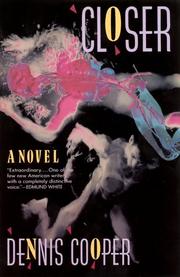 CloserDennis CooperA dark, unflinching exploration of obsessive desire and the destructive search for meaning in the hollows of middle America.
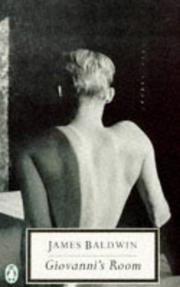 Giovanni's RoomJames BaldwinA devastating, beautifully written confession of doomed love and the tragic cost of denying one's own heart.
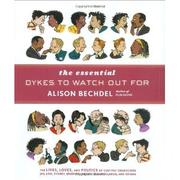 The Essential Dykes to Watch Out ForAlison BechdelA witty, sprawling, and deeply affectionate time capsule of queer community, found family, and the messy intersection of the personal and the political.
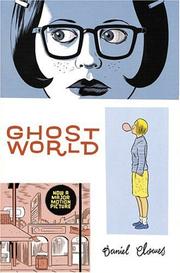 Ghost WorldDaniel ClowesA sharp, melancholy portrait of the exact moment a childhood friendship begins to dissolve into the ether of adulthood.