Books › Sult

Sult
493 pages
A feverish, hallucinatory plunge into the unraveling mind of a starving artist wandering the unforgiving streets of a modern city.
What it feels like
Reading this novel is like being trapped inside a fever dream. It offers a relentless, claustrophobic immersion into the mind of a man slowly losing his grip on reality due to extreme poverty and starvation. The narrative wanders the cold, indifferent streets of a 19th-century city, mirroring the protagonist's erratic physical journey and his spiraling mental state. The prose is startlingly modern—raw, visceral, and deeply subjective, oscillating between grandiose delusions of artistic genius and crushing bouts of self-loathing. It is a deeply anxious, gritty experience, punctuated by moments of dark, absurd comedy. This book will captivate readers who are drawn to intense psychological portraits, early modernist literature, and unflinching explorations of human endurance, pride, and the fragile boundary between sanity and madness.
- Mood
- claustrophobic
- hallucinatory
- bleak
- anxious
- Tone
- feverish
- erratic
- introspective
- darkly comic
- desperate
- Pace
- meandering
- Themes
- psychology of poverty · artistic alienation · fragility of sanity · urban isolation · self-destructive pride
- The writing
- Startlingly modern, raw, and visceral, utilizing an erratic, stream-of-consciousness style that traps the reader in the narrator's subjective reality.
- The arc
- A relentless, spiraling descent into physical deprivation and psychological fragmentation, culminating in a sudden, ambiguous escape.
- Who it's for
- Readers who crave intense, character-driven psychological realism and unflinching portraits of the starving artist archetype.
Content notes
- starvation and food deprivation
- mental illness and delusion
- extreme poverty
- suicidal ideation
About the book
First published in Norway in 1890, Hunger probes into the depths of consciousness with frightening and gripping power. Like the works of Dostoyevsky, it marks an extraordinary break with Western literary and humanistic traditions.
Description from Open Library.
Books like Sult
See why they match PanKnut HamsunA feverish, sun-drenched descent into obsession where the wildness of the natural world mirrors the unraveling of a solitary mind.
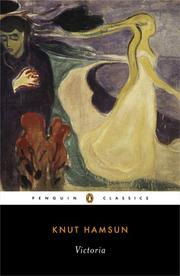 VictoriaKnut HamsunA haunting, lyrical exploration of a doomed romance where pride and social duty extinguish the flames of true love.
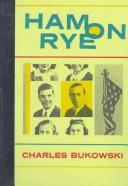 Ham on RyeCharles BukowskiA brutally honest, darkly funny plunge into a bruised adolescence where cynicism and cheap booze are the only shields against a harsh world.
 HOUSE OF HUNGERDambudzo MarecheraA grounded and observant collection of short fiction that explores the social conditions of Zimbabwe.
 La nauséeSartre, Jean-Paul; Translated by Robert BaldickA visceral, diary-style descent into the overwhelming, suffocating realization that existence is entirely without inherent meaning.
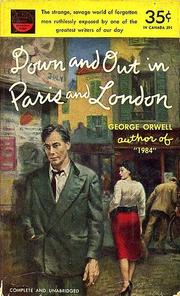 Down and Out in Paris and LondonGeorge OrwellA visceral, unsentimental plunge into the hidden world of extreme poverty and the grueling mechanics of survival.