Books › Summer
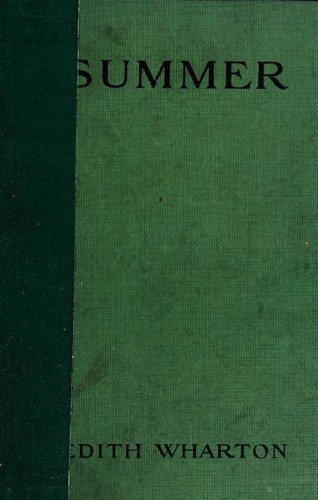
Summer
321 pages
A sun-drenched, suffocatingly intense exploration of a young woman's fleeting season of passion and the harsh realities of her social confinement.
What it feels like
Reading this novel feels like stepping into the oppressive, intoxicating heat of a July afternoon. It is a deeply sensory experience, where the lush, sun-drenched descriptions of the New England landscape mirror the protagonist's sudden, overwhelming sexual awakening. The prose is luminous yet unsentimental, guiding the reader through a steady, inevitable progression from restless yearning to a sobering collision with reality. There is a claustrophobic edge to the romance, a constant awareness of the invisible cages built by class and gender. It will captivate readers who love classic literature that refuses to moralize, offering instead a frank, empathetic, and quietly devastating portrait of a woman grasping at a fleeting chance for freedom before the season turns.
- Mood
- sun-drenched
- sensual
- claustrophobic
- melancholic
- Tone
- frank
- observant
- unsentimental
- empathetic
- Pace
- steady
- Themes
- sexual awakening · class boundaries · illusion of escape · rural isolation · limits of female agency
- The writing
- Luminous and precise, with rich, sensory descriptions of the natural world that mirror internal desires.
- The arc
- Moves from restless yearning and intoxicating passion to a sobering, pragmatic resignation.
- Who it's for
- Readers who appreciate classic literature that dissects social constraints and female desire with unsentimental clarity.
Content notes
- class inequality
- power dynamics
- pregnancy out of wedlock
- poverty
About the book
Summer, Edith Wharton wrote to Gaillard Lapsley, "is known to its author and her familars as the Hot Ethan." One of the first American novels to deal frankly with a young woman's sexual awakening, it was a publishing sensation when it appeared in 1917, praised by Joseph Conrad, Howard Sturgis, and Percy Lubbock, and favorably compared to Madame Bovary. Like its predecessor, Ethan Frome, it is set in the Berkshires, but the season is summer and the story is that of Charity Royall, a New Englander of humble origins -- passionate, forthright, and proud -- and her torrid affair with Lucius Harney, an artistically inclined young man from the city. A novel that "breaks, or stretches, many conventions of women's romantic love stories and in the process creates a new picture of female sexuality," as Marilyn French writes in her introduction, Summer is "a clamorous and ecstatic affirmation of the joy of sexual love no matter what it costs." Bold in conception, rich in imagery, and provocative by implication, it was one of Edith Wharton's personal favorites, and stands as one of her greatest novelistic achievements
Description from Open Library.
Books like Summer
See why they match The BuccaneersEdith WhartonAn elegant, witty, and lushly romantic exploration of spirited young women clashing with rigid social traditions in pursuit of true love.
 The Age of InnocenceEdith WhartonA devastatingly elegant dissection of unspoken desires and the crushing weight of polite society.
 The Blithedale RomanceNathaniel HawthorneA brooding, psychological unraveling of utopian dreams, where pastoral idealism masks bitter jealousies and tragic obsessions.
 The French Lieutenant's WomanJohn FowlesA lush, postmodern subversion of the Victorian romance that plays games with the reader's heart and mind.
 The AwakeningKate ChopinA languid, sun-drenched exploration of a woman's intoxicating and ultimately isolating realization of her own desires.
 The Scarlet LetterNathaniel HawthorneA heavy, atmospheric descent into the suffocating grip of public shame and the quiet rebellion of a woman who refuses to be broken by it.