Books › Symphony for the city of the dead

Symphony for the city of the dead
464 pages
A harrowing yet ultimately triumphant exploration of how music can rally the human spirit during one of history's darkest sieges.
What it feels like
Reading this book feels like standing in the freezing, corpse-littered streets of a besieged city, only to hear a defiant symphony rise above the bombardment. It is a propulsive, unflinching experience that plunges the reader into the bleakest depths of human suffering, including starvation, desperation, and the crushing weight of two oppressive regimes, before soaring into a reverent tribute to artistic resilience. The prose is riveting and brilliant, balancing the harrowing realities of war with the transcendent power of music. Young adult and crossover readers who are drawn to intense, emotionally heavy historical narratives will find themselves completely absorbed by this dread-soaked yet ultimately rallying testament to human endurance and the vital role of art in survival.
- Mood
- bleak
- dread-soaked
- chilling
- defiant
- Tone
- unflinching
- reverent
- earnest
- harrowing
- Pace
- propulsive
- Themes
- the power of art in wartime · human endurance and survival · historical tragedy · artistic resistance
- The writing
- Unflinching and riveting, delivering a brilliant historical account with narrative drive.
- The arc
- Moves from the harrowing depths of starvation and despair to a rallying, commemorative triumph of the human spirit.
- Who it's for
- Young adult and crossover readers drawn to intense historical narratives about art's power during humanity's darkest hours.
Content notes
- starvation
- cannibalism
- war violence
- mass death
- animal death
About the book
National Book Award winner M. T. Anderson delivers a brilliant and riveting account of the Siege of Leningrad and the role played by Russian composer Shostakovich and his Leningrad Symphony. In September 1941, Adolf Hitler s Wehrmacht surrounded Leningrad in what was to become one of the longest and most destructive sieges in Western history almost three years of bombardment and starvation that culminated in the harsh winter of 1943 1944. More than a million citizens perished. Survivors recall corpses littering the frozen streets, their relatives having neither the means nor the strength to bury them. Residents burned books, furniture, and floorboards to keep warm; they ate family pets and eventually one another to stay alive. Trapped between the Nazi invading force and the Soviet government itself was composer Dmitri Shostakovich, who would write a symphony that roused, rallied, eulogized, and commemorated his fellow citizens the Leningrad Symphony, which came to occupy a surprising place of prominence in the eventual Allied victory.
Description from Open Library.
Books like Symphony for the city of the dead
See why they match StalingradAntony BeevorA monumental, harrowing descent into the frozen hell of the Eastern Front, told through the eyes of those who lived and died there.
 Between Shades of GrayRuta SepetysA harrowing but beautifully human testament to finding light and creating art in the darkest, coldest corners of history.
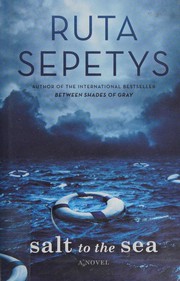 Salt to the SeaRuta SepetysA breathless, devastating race across a frozen landscape where survival hinges on the fragile bonds between strangers.
 City of thievesDavid BenioffA brutally cold, darkly hilarious, and ultimately heartbreaking sprint through a war-torn wasteland in search of the impossible.
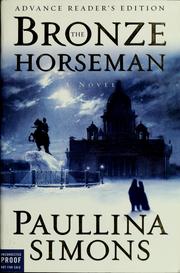 The bronze horsemanPaullina SimonsAn epic, emotionally devastating journey of forbidden love and desperate survival set against the freezing, starving backdrop of a besieged city.
 The Book ThiefMarkus ZusakA devastatingly beautiful meditation on the power of words, narrated by a compassionate Death who watches humanity at its darkest and brightest.