Books › Systemantics

Systemantics
319 pages
A deadpan, aphoristic survival guide to the inevitable failures of complex organizations and human endeavors.
What it feels like
Reading this book feels like sitting in the back row of a mandatory corporate seminar with the smartest, most cynical engineer in the room whispering universal truths into your ear. It is a brisk, intellectually playful experience built on a foundation of dry, aphoristic prose that perfectly mimics the academic texts it satirizes. The mood is one of absurdist resignation, offering a comforting solidarity to anyone who has ever watched a foolproof plan spectacularly unravel. As you move through its pseudo-scientific laws and sharp anecdotes, the initial bursts of wry laughter give way to a profound, almost zen-like acceptance of systemic chaos. It is a delightful, validating read for anyone navigating the inevitable absurdities of modern bureaucracy and complex design.
- Mood
- absurdist
- intellectually playful
- resigned
- Tone
- wry
- cynical
- deadpan
- satirical
- insightful
- Pace
- brisk
- Themes
- bureaucratic absurdity · unintended consequences · the inevitability of failure · human fallibility · systemic chaos
- The writing
- Aphoristic and dryly academic, delivering devastating truths with deadpan precision and sharp wit.
- The arc
- Moves from amused recognition of everyday frustrations to a profound, almost zen-like acceptance of systemic chaos.
- Who it's for
- Engineers, project managers, and anyone who has ever felt thwarted by the inexplicable failures of a complex organization.
About the book
Bibliography: p. 109-111. First ed. published in 1975 under title: General systemantics.
Description from Open Library.
Books like Systemantics
See why they match The Systems BibleJohn GallA deadpan, aphoristic survival guide for navigating the inevitable failures of complex bureaucracies and technologies.
 HypertextRay McAleese (ed)An analytical exploration bridging the conceptual frameworks of digital information with their real-world implementations.
 Designing Web UsabilityJakob NielsenA foundational masterclass in stripping away digital friction to reveal the elegant logic of user-centric design.
 Systems engineering and analysisWolter J. FabryckyA rigorous, methodical deep dive into the mathematical and operational structures that govern complex systems.
 Parkinson's LawC. Northcote ParkinsonA delightfully dry, pseudo-scientific skewering of institutional bloat that makes the maddening absurdities of the modern workplace feel hilariously inevitable.
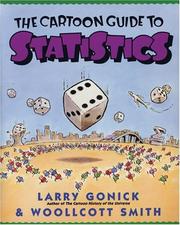 The cartoon guide to statisticsLarry GonickA delightfully nerdy and reassuring visual journey that transforms intimidating math into accessible, laugh-out-loud logic.