Books › Tao of Jeet Kune Do

Tao of Jeet Kune Do
First published 1975 · 208 pages
A master's fragmented notebook that invites you to strip away the unnecessary and find your own fluid truth.
What it feels like
Reading this book feels less like studying a manual and more like sitting in the quiet corner of a dojo with a master's personal notebook. The pace is steady but invites constant pausing, as practical sketches of combat techniques dissolve into profound Zen aphorisms. It is a deeply contemplative and focused experience, wrapping the reader in an atmosphere of disciplined self-discovery. The prose is fragmented, direct, and poetic, stripping away rigid dogma to reveal the beauty of formlessness and adaptability. It traces an internal journey from mechanical understanding to fluid, liberated self-expression. Seekers of self-mastery, martial artists, and lovers of Eastern philosophy will devour these pages, finding a timeless guide to living and moving with absolute, unencumbered truth.
- Mood
- contemplative
- focused
- disciplined
- Tone
- philosophical
- direct
- instructional
- reflective
- Pace
- steady
- Themes
- self-actualization · formlessness · mind-body connection · adaptability · martial philosophy
- The writing
- Aphoristic, fragmented, and deeply philosophical, blending practical instruction with Zen-like poetry.
- The arc
- Moves from a rigid search for technique to a liberated embrace of fluid self-expression.
- Who it's for
- Martial artists, philosophers, and seekers of self-mastery who appreciate wisdom delivered in bite-sized, profound fragments.
Content notes
- instructional combat
About the book
To obtain enlightenment in martial art means the extinction of everything which obscures the "true knowledge," the "real life."
Description from Open Library.
Books like Tao of Jeet Kune Do
See why they match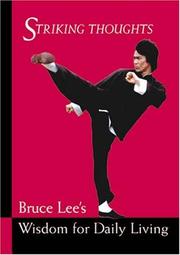 Striking ThoughtsBruce LeeA pocket-sized dojo for the mind that teaches you how to flow like water through the obstacles of daily life.
 HagakureYamamoto TsunetomoA stark, uncompromising meditation on duty, honor, and the profound freedom found in the acceptance of death.
 MasteryGeorge LeonardA quiet, profound antidote to the modern obsession with quick fixes, offering a serene roadmap to lifelong growth.
 Zen in the Martial ArtsJoe HyamsA focused, reflective exploration of the spiritual discipline hidden within the physical practice of combat.
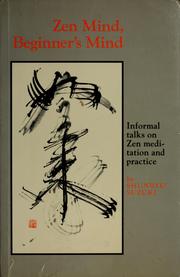 Zen mind, beginner's mindSuzuki, ShunryuA gentle, paradoxical invitation to drop your expertise and experience the world with the fresh, open eyes of a beginner.
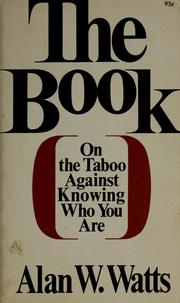 The BookWatts, Alan WilsonA gentle, mind-bending conversation that dismantles the illusion of your separate ego and welcomes you back to the universe.