Books › Taran Wanderer

Taran Wanderer
First published 2004 · 274 pages
A quiet, episodic journey of self-discovery that finds profound magic in the mastery of ordinary crafts and the acceptance of one's own roots.
What it feels like
Stepping into this book feels like taking a long, solitary walk through an autumnal forest. Unlike the high-stakes battles of its predecessors, this installment slows down, offering a deeply introspective and episodic journey that trades world-ending peril for the quiet, profound stakes of self-discovery. The narrative meanders beautifully, lingering on the tactile details of weaving at a loom, shaping clay, and forging metal, grounding the mythic fantasy in the dignity of ordinary labor. The prose is elegant and earnest, carrying a bittersweet, melancholic undertone that gradually gives way to a hard-won sense of peace. It is a perfect read for those who love character-driven fantasy where the greatest triumph is not defeating a dark lord, but finally learning to be comfortable in one's own skin.
- Mood
- autumnal
- introspective
- earthy
- bittersweet
- Tone
- earnest
- reflective
- melancholic
- philosophical
- Pace
- meandering
- Themes
- search for identity · dignity of labor · coming of age · self-worth vs birthright · accepting hard truths
- The writing
- Simple yet deeply resonant, with a mythic cadence that feels both timeless and intimately human.
- The arc
- From restless insecurity and desperate longing for a noble past to a quiet, grounded acceptance of self-made worth.
- Who it's for
- Readers who appreciate quiet, character-driven fantasy that values wisdom, craftsmanship, and inner growth over sword-swinging glory.
Content notes
- grief
- mild fantasy violence
- existential angst
About the book
The fourth book of the Prydain cycle tells of the adventures that befell Taran when he went in search of his birthright and the truth about himself.
Description from Open Library.
Books like Taran Wanderer
See why they match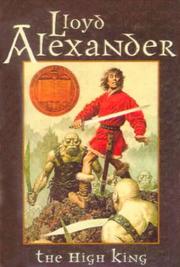 The High KingLloyd AlexanderA sweeping, bittersweet conclusion to a classic mythic journey where ultimate victory requires the hardest of farewells.
 The Castle of LlyrLloyd AlexanderA classic, warm-hearted adventure that balances mythic peril with the bittersweet pangs of growing up.
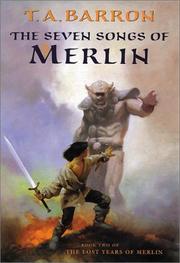 The Seven Songs of MerlinT. A. BarronA lyrical, nature-infused quest that feels like stepping into the misty, ancient heart of Celtic myth.
 The fires of MerlinT. A. BarronA mythic coming-of-age journey where a young wizard must confront literal and metaphorical flames to discover the true source of his power.
 AlannaTamora PierceA spirited, sword-swinging coming-of-age tale about sheer stubbornness and the thrill of forging your own destiny.
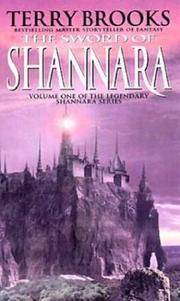 The Sword of ShannaraTerry BrooksA sweeping, nostalgic journey that delivers the pure, unadulterated comfort of classic high fantasy.