Books › Tarzan and the Jewels of Opar
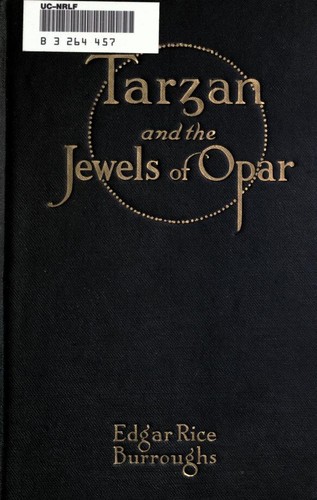
Tarzan and the Jewels of Opar
First published 1918 · 400 pages
A feverish plunge into a primal jungle where forgotten ruins, shattered memories, and savage survival collide in pure pulp escapism.
What it feels like
Reading this classic adventure feels like stepping into a fever dream of pure, unadulterated pulp escapism. The narrative moves with a propulsive, breathless energy, stripping its hero of his civilized veneer and plunging the reader into a primal world of instinct and survival. You are immersed in an atmosphere of exotic peril, surrounded by the crumbling, sun-baked ruins of a forgotten civilization and the dense, oppressive heat of the jungle. The prose is unabashedly melodramatic and rich with archaic flourishes, heightening the stakes of every betrayal and animal encounter. It is a deeply atmospheric, thrilling ride designed for readers who love the vintage charm of lost worlds, high-stakes action, and the eternal clash between man's savage nature and his noble heart.
- Mood
- primal
- perilous
- exotic
- feverish
- Tone
- melodramatic
- earnest
- suspenseful
- adventurous
- Pace
- propulsive
- Themes
- primal survival · duality of man and beast · greed and betrayal · forgotten civilizations
- The writing
- Breathless and unabashedly purple, filled with dramatic flourishes and archaic rhythms that heighten the pulp adventure.
- The arc
- Plunges from sudden betrayal and disorienting memory loss into a desperate, instinct-driven fight for survival, culminating in a triumphant return to self.
- Who it's for
- Readers who crave vintage, high-stakes escapism filled with lost cities, primal instincts, and unapologetic melodrama.
Content notes
- colonialist attitudes
- outdated depictions of race
- animal violence
- abduction tropes
About the book
From the book:Lieutenant Albert Werper had only the prestige of the name he had dishonored to thank for his narrow escape from being cashiered. At first he had been humbly thankful, too, that they had sent him to this Godforsaken Congo post instead of court-martialing him, as he had so justly deserved; but now six months of the monotony, the frightful isolation and the loneliness had wrought a change. The young man brooded continually over his fate. His days were filled with morbid self-pity, which eventually engendered in his weak and vacillating mind a hatred for those who had sent him here - for the very men he had at first inwardly thanked for saving him from the ignominy of degradation. He regretted the gay life of Brussels as he never had regretted the sins which had snatched him from that gayest of capitals, and as the days passed he came to center his resentment upon the representative in Congo land of the authority which had exiled him - his captain and immediate superior.
Description from Open Library.
Books like Tarzan and the Jewels of Opar
See why they match Tarzan the Untamed (Book #7)Edgar Rice BurroughsA grief-stricken descent into primal savagery where the jungle's most dangerous predator is a man stripped of his civilized veneer.
 Tarzan of the ApesEdgar Rice BurroughsA primal, pulse-pounding plunge into the untamed wilderness where feral survival collides with the awakening of the human heart.
 Tarzan the Terrible (#8)Burroughs, EdgarA breathless, primal plunge into a treacherous lost world filled with prehistoric dangers and tribal intrigue.
 Almayer's follyJoseph ConradAn atmospheric plunge into the bitter realities and shattered dreams of colonial ambition.
 King Solomon's MinesHenry Rider HaggardA sun-baked, perilous trek into uncharted territory where ancient mysteries and unimaginable wealth await those brave enough to survive the journey.
 Law of the JungleMary WibberleyA feverish, high-stakes vintage romance where the claustrophobia of the jungle mirrors the inescapable pull of a dangerous captor.