Books › Testosterone rex

Testosterone rex
320 pages
A witty, razor-sharp dismantling of the biological myths that prop up gender inequality.
What it feels like
Reading this book feels like sitting down with a brilliant, fiercely funny friend who is ready to systematically dismantle every biological excuse for gender inequality you've ever heard. The pace is brisk and engaging, carrying you through complex neuroscience and evolutionary biology with a conversational ease that never feels dense or academic. It is an intellectually stimulating and deeply clarifying experience, replacing the frustrating fog of 'boys will be boys' rhetoric with the sharp, empowering light of actual science. The prose is laced with a dry, irreverent wit that makes the myth-busting process incredibly satisfying. It is a perfect read for anyone who delights in seeing bad science taken apart piece by piece, leaving behind a more expansive, hopeful view of human potential.
- Mood
- intellectually stimulating
- empowering
- clarifying
- righteous
- Tone
- witty
- sharp
- authoritative
- irreverent
- accessible
- Pace
- brisk
- Themes
- dismantling gender myths · scientific bias · human plasticity · the nature vs. nurture fallacy · cultural conditioning
- The writing
- Sharp, conversational, and laced with dry humor, making complex scientific concepts highly digestible.
- The arc
- Moves from frustration at entrenched societal myths to an empowering sense of liberation through scientific clarity.
- Who it's for
- Curious skeptics and feminists who love seeing bad science dismantled with wit and rigorous research.
Content notes
- discussions of sexism
- gender-based discrimination
About the book
Challenges conventional beliefs about evolutionary factors that are used to justify gender politics, outlining arguments against cultural stereotypes, in a call for a more equal society that recognizes the potential of both sexes.
"Many people believe that, at its core, biological sex is a fundamental, diverging force in human development. According to this overly familiar story, differences between the sexes are shaped by past evolutionary pressures--women are more cautious and parenting-focused, while men seek status to attract more mates. In each succeeding generation, sex hormones and male and female brains are thought to continue to reinforce these unbreachable distinctions, making for entrenched inequalities in modern society. In Testosterone Rex, psychologist Cordelia Fine wittily explains why past and present sex roles are only serving suggestions for the future, revealing a much more dynamic situation through an entertaining and well-documented exploration of the latest research that draws on evolutionary science, psychology, neuroscience, endocrinology, and philosophy. She uses stories from daily life, scientific research, and common sense to break through the din of cultural assumptions. Testosterone, for instance, is not the potent hormonal essence of masculinity; the presumed, built-in preferences of each sex, from toys to financial risk taking, are turned on their heads. Moving beyond the old "nature versus nurture" debates, Testosterone Rex disproves ingrained myths and calls for a more equal society based on both sexes' full, human potential."--Dust jacket.
Description from Open Library.
Books like Testosterone rex
See why they match Delusions of genderCordelia FineA witty, razor-sharp dismantling of the junk science that insists men and women are biologically wired to be fundamentally different.
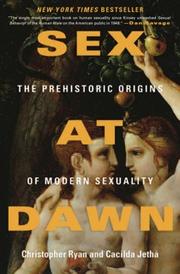 Sex at DawnChristopher RyanA witty, paradigm-shifting exploration of human evolution that gleefully dismantles the standard narrative of natural monogamy.
 Sexing the BodyAnne Fausto-SterlingA rigorous, paradigm-shifting exploration that dismantles the binary understanding of human biology.
 The way of menJack DonovanA blunt, unapologetic manifesto that strips away modern comforts to examine the primal roots of male identity and tribal survival.
 GenderLinda BrannonA comprehensive, research-grounded exploration of how gender shapes our minds, societies, and personal realities.
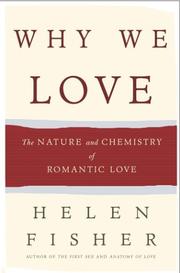 Why We LoveHelen FisherAn illuminating dive into the human brain that decodes the ancient, biological machinery behind our most romantic impulses.