Books › Tether's End

Tether's End
First published 1958 · 345 pages
A masterclass in psychological suspense where the true mystery lies not in who committed the crime, but in the devastating blindness of unconditional love.
What it feels like
Reading this mid-century British mystery feels less like solving a puzzle and more like watching a slow-motion psychological collision. The atmosphere is steeped in the damp, dusty claustrophobia of a post-war London curio museum, wrapping the reader in a mood that is both cozy and deeply unsettling. The prose is elegant and sharply observant, peeling back the layers of the characters to expose the chilling banality of evil and the tragic vulnerability of maternal devotion. The pace is steady and deliberate, building a quiet, suffocating tension as the net closes around a known killer. It is a perfect match for readers who crave character-driven suspense, where the emotional stakes of deception hit far harder than the mechanics of the murder itself.
- Mood
- claustrophobic
- atmospheric
- unsettling
- damp
- Tone
- wry
- observant
- empathetic
- suspenseful
- Pace
- steady
- Themes
- blindness of love · banality of evil · post-war transition · deception and trust
- The writing
- Elegant and sharply observant, rich with mid-century London atmosphere and acute psychological nuance.
- The arc
- Moves from a curious metropolitan puzzle into a tense, emotionally fraught psychological standoff that culminates in a bittersweet, sobering resolution.
- Who it's for
- Fans of character-driven, atmospheric British mysteries who prefer psychological tension and emotional stakes over traditional puzzle-box whodunits.
Content notes
- murder
- manipulation of the elderly
- psychological abuse
About the book
"The Goff Place Mystery" remained unsolved, the body of the murdered pawnbroker never found. On the night of the killing, a bus had parked on the narrow cul-de-sac. Witnesses saw two elderly passengers dozing. Later, a ghastly trail of blood led from the pawnbroker's stairs to this dead-end street. From these scanty clues, Scotland Yard Superintendent Charles Luke had come up with a most farfetched theory - even the imperturbable Albert Campion had doubts when the evidence took them to a dusty curio museum called Tether's End.
Also known as "Hide My Eyes".
Description from Open Library.
Books like Tether's End
See why they match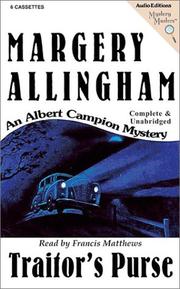 Traitor's purseMargery AllinghamA feverish, fog-drenched race against time where the greatest mystery is the detective's own mind.
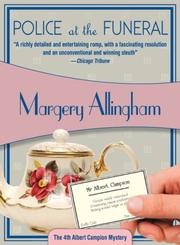 Police At the FuneralMargery AllinghamA tense, traditional mystery where the stifling weight of Victorian family resentments gives way to chilling, ingenious murder.
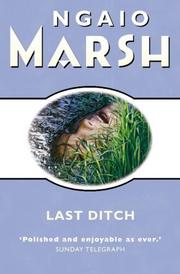 Last DitchNgaio MarshA civilized, coastal mystery where picturesque village life masks deadly secrets and family ties are put to the test.
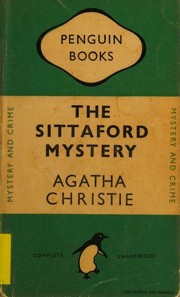 The Sittaford MysteryAgatha ChristieA snowbound parlor game spirals into a chillingly clever puzzle where the line between the supernatural and human malice blurs.
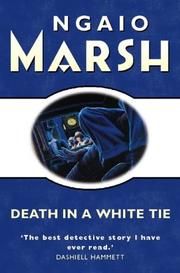 Death in a White TieNgaio MarshA glittering, champagne-soaked descent into the deadly secrets of 1930s London high society.
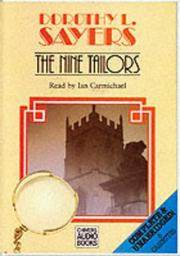 The Nine TailorsDorothy Leigh SayersA deeply atmospheric puzzle steeped in the haunting lore of church bells and the damp, isolating chill of the English Fens.