Books › The antidote
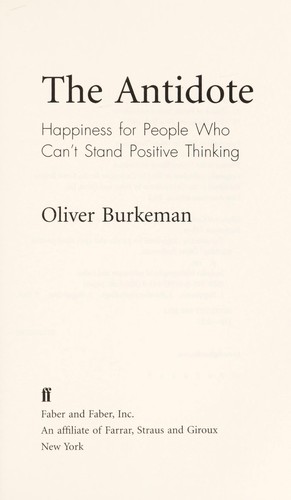
The antidote
336 pages
A deeply comforting permission slip to stop trying so hard to be happy and embrace the messy, uncertain reality of being human.
What it feels like
Reading this book feels like stepping out of a blindingly bright, artificially heated room into a crisp, cool autumn evening. It offers a profound sense of relief for anyone exhausted by the relentless cultural mandate to stay positive. The prose is wry, inquisitive, and deeply compassionate, guiding the reader through a philosophical landscape that champions the counterintuitive power of embracing failure, uncertainty, and even death. The pace is steady and conversational, allowing complex ideas from Stoicism and Buddhism to land with practical clarity rather than academic weight. It is a quietly liberating experience, replacing the frantic pursuit of happiness with a grounded, realistic comfort. This is the perfect companion for skeptics who want to live well without the toxic cheerfulness of traditional self-help.
- Mood
- grounded
- liberating
- quietly reassuring
- contemplative
- Tone
- wry
- inquisitive
- pragmatic
- skeptical
- compassionate
- Pace
- steady
- Themes
- the tyranny of positivity · embracing uncertainty · the value of failure · mortality and acceptance · letting go of control
- The writing
- Journalistic, witty, and accessible, blending philosophical inquiry with engaging, real-world anecdotes.
- The arc
- Moves from the exhausting pressure of forced optimism to a grounded, liberating acceptance of life's inherent messiness.
- Who it's for
- Skeptics exhausted by the self-help industry's relentless cheerfulness who crave a more realistic, philosophically grounded approach to living well.
Content notes
- discussions of death
- existential dread
About the book
Exploring the dark side of the theories put forth by such icons as Norman Vincent Peale and Eckhart Tolle by looking to both ancient philosophy and current business theory, Burkeman--a feature writer for British newspaper The Guardian--offers up the counterintuitive idea that only by embracing and examining failure and loss and unhappiness will we become free of it.
Description from Open Library.
Books like The antidote
See why they match Stoicism and the Art of HappinessDonald RobertsonA grounding, practical guide to applying ancient philosophical wisdom to the pursuit of modern happiness.
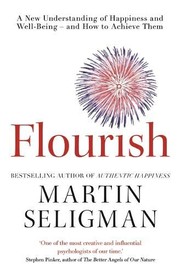 FlourishMartin E. P. SeligmanAn encouraging, science-backed exploration of what it means to truly thrive and cultivate lasting well-being.
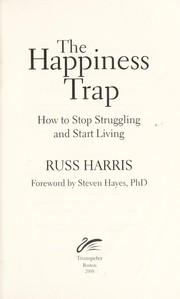 The Happiness TrapRuss HarrisA compassionate, paradigm-shifting guide that offers profound relief by teaching you to stop fighting your own mind.
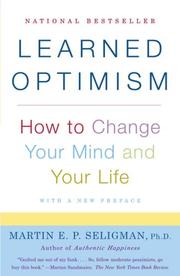 Learned OptimismMartin E.P. SeligmanA scientifically grounded roadmap out of helplessness and into a more resilient, hopeful way of living.
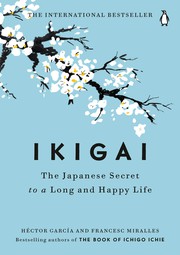 IkigaiHéctor García and Francesc MirallesA gentle, sunlit stroll through the daily habits and quiet mindsets that make a long life truly worth living.
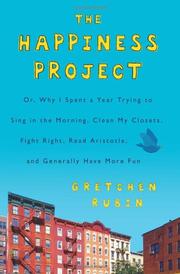 The happiness projectGretchen RubinA structured, uplifting experiment in finding extraordinary joy within the boundaries of an ordinary life.