Books › The Art of War
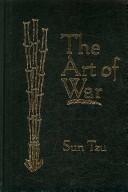
The Art of War
First published 1910 · 1200 pages
A masterclass in calculated foresight that transforms the chaos of conflict into a disciplined game of the mind.
What it feels like
Reading this ancient treatise feels less like studying history and more like sitting in a quiet, austere room with a master tactician. The prose is sparse, aphoristic, and stripped of all sentimentality, delivering sharp bursts of pragmatic wisdom that demand to be chewed over. It establishes a mood of intense discipline and cool detachment, replacing the fiery chaos of conflict with cold, calculated foresight. You aren't swept up in a narrative; instead, you are handed a timeless psychological framework for navigating power, competition, and survival. It will deeply satisfy readers who appreciate philosophical pragmatism and those looking to cultivate a strategic, unshakeable mindset in the face of modern life's daily battles.
- Mood
- austere
- disciplined
- contemplative
- Tone
- authoritative
- pragmatic
- detached
- calculating
- Pace
- steady
- Themes
- strategic foresight · the psychology of power · adaptability in chaos · leadership and discipline
- The writing
- Aphoristic, sparse, and highly structured, relying on sharp metaphors and absolute declarations.
- The arc
- Moves from a state of chaotic uncertainty to a grounded, disciplined clarity of purpose.
- Who it's for
- Readers seeking timeless frameworks for navigating conflict, competition, and leadership in any sphere of life.
Content notes
- abstract discussions of warfare
- strategic violence
About the book
The Art of War is an ancient Chinese military treatise dating from the Late Spring and Autumn Period. The work, which is attributed to the ancient Chinese military strategist Sun Tzu
Description from Open Library.
Books like The Art of War
See why they match The 33 Strategies of WarRobert GreeneA ruthless, historically rich masterclass in navigating the hidden battlefields of everyday life.
 Vom KriegeCarl von ClausewitzA dense, philosophical masterclass in the brutal calculus of human conflict and political ambition.
 Meditations by Marcus AureliusMarcus AureliusA grounded, philosophical immersion into the mind of an ancient emperor reflecting on civilization.
 Lun yuConfuciusA timeless collection of fragmented wisdom that invites quiet reflection on virtue, duty, and the art of living well.
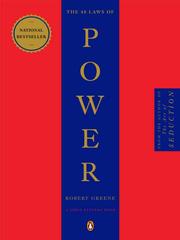 The 48 Laws of PowerRobert GreeneA ruthless, historically rich masterclass in the dark arts of human psychology and social dominance.
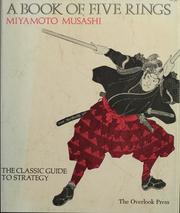 Gorin no shoMiyamoto MusashiA masterclass in discipline and strategy that cuts through the noise of modern life with the precision of a samurai's blade.