Books › The Autobiography of Alice B. Toklas

The Autobiography of Alice B. Toklas
First published 1933 · 444 pages
A witty, name-dropping stroll through the Parisian avant-garde, told through a brilliant act of literary ventriloquism.
What it feels like
Reading this book feels like being invited to the most exclusive, eccentric salon in 1920s Paris and being seated next to the sharpest, most observant guest in the room. The narrative meanders through a vibrant, bohemian landscape, dropping names like Picasso, Matisse, and Hemingway with casual, wry intimacy. It is a masterclass in self-mythologizing, wrapped in the cozy, gossipy voice of a devoted partner. The prose is deceptively simple, rhythmic, repetitive, and conversational, masking Gertrude Stein's brilliant modernist architecture. It is less a strict historical record than a sun-drenched, nostalgic mood piece about the intersection of art, genius, and queer domesticity. Lovers of literary history and playful narrative tricks will find themselves utterly charmed by its audacious, sparkling energy.
- Mood
- bohemian
- nostalgic
- vibrant
- intimate
- Tone
- wry
- gossipy
- playful
- observant
- self-mythologizing
- Pace
- meandering
- Themes
- mythmaking and genius · queer domesticity · the expatriate experience · artistic revolution · memory and truth
- The writing
- Deceptively simple and rhythmically repetitive, mimicking a casual, gossipy conversation while executing a brilliant modernist trick.
- The arc
- Begins with the breathless excitement of artistic discovery and settles into the warm, reflective satisfaction of a cemented legacy.
- Who it's for
- Readers who delight in literary gossip, Parisian art history, and clever narrative framing will devour this book.
Content notes
- war themes (WWI)
About the book
"The Autobiography of Alice B. Toklas... is not an autobiography by Alice Toklas, Stein's companion from 1907 to her death, but a funny, innovative memoir which pays unusual attention to the 'wives of geniuses' as well as the 'geniuses' themselves. It focuses on the Paris years, mythologizing the Stein-Toklas household and presenting Stein as the writing member of an international art movement that starred Picasso. A lot of what we remember about Paris in the 1920s comes from *The Autobiography of Alice B. Toklas. Along the way Stein tells some stories about her past which are, according to her biographer James Mellow, streamlined versions of the truth."
Phyllis Rose in The Norton Book of Women's Lives
Description from Open Library.
Books like The Autobiography of Alice B. Toklas
See why they match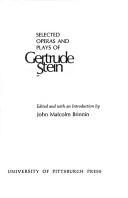 Operas and PlaysGertrude SteinAn immersive dive into the definitive, experimental theatrical statements of a modernist icon.
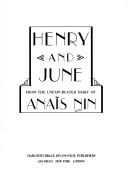 Henry and JuneAnais NinAn uncensored, deeply intimate plunge into a year of bohemian passion, sexual awakening, and tangled desires.
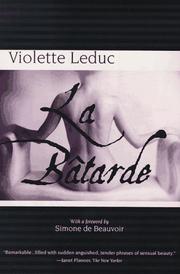 La bâtardeViolette LeducA feverish, unapologetic plunge into the depths of desire, shame, and the fierce pursuit of self-creation.
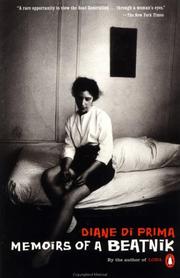 Memoirs of a BeatnikDiane di PrimaA smoky, unapologetic plunge into the bohemian underground, fueled by female desire and artistic rebellion.
 Three LivesGertrude SteinA hypnotic, linguistically radical exploration of the quiet tragedies and psychological entrapments of three ordinary women.
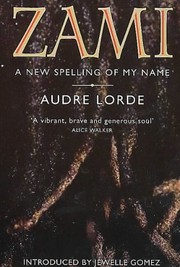 ZamiAudre LordeA lush, mythic exploration of self-discovery, tracing the fierce and tender lineages of women who shape a life.