Books › The Biggest Bluff
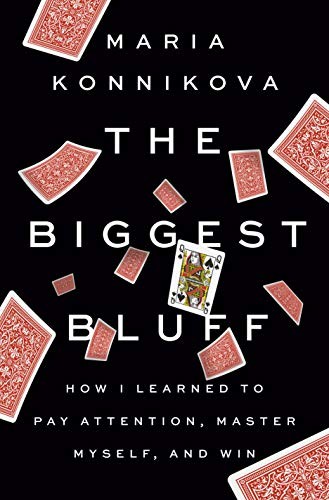
The Biggest Bluff
368 pages
A sharp, immersive dive into the psychology of chance, using the high-stakes poker table as a masterclass in human behavior and self-discovery.
What it feels like
Reading this book feels like stepping into a fiercely competitive, overwhelmingly masculine arena armed with nothing but a sharp psychological toolkit and a desire to understand the universe's chaos. It is a brisk, intellectually stimulating journey down the rabbit hole of high-stakes Texas Hold'em, where the cards themselves matter less than the profound epiphanies about human decision-making and the illusion of control. The narrative balances the thrilling tension of the poker table with deep, reflective insights into fortune, chance, and self-awareness. It delights readers who crave narrative nonfiction that marries rigorous psychological observation with an immersive personal quest, offering a masterclass in reading both the room and oneself.
- Mood
- competitive
- immersive
- intellectually stimulating
- Tone
- analytical
- reflective
- determined
- insightful
- Pace
- brisk
- Themes
- the illusion of control · navigating chance and fortune · self-discovery through competition · psychological resilience
- The writing
- Sharp, analytical, and deeply reflective, blending psychological insight with the tension of high-stakes gameplay.
- The arc
- Moves from a place of personal uncertainty into a fiercely competitive arena, culminating in profound self-awareness.
- Who it's for
- Readers who love narrative nonfiction that blends psychological theory with immersive, high-stakes personal experiments.
Content notes
- gambling
- personal misfortune
About the book
"How a author and New Yorker contributor parlayed a strong grasp of the science of human decision-making and a woeful ignorance of cards into a life-changing run as a professional poker player, under the wing of a legend of the game It's true that Maria Konnikova had never actually played poker before and didn't even know the rules when she approached Erik Seidel, Poker Hall of Fame inductee and winner of tens of millions of dollars in earnings, and convinced him to be her mentor. But she knew her man: a famously thoughtful and broad-minded player, he was intrigued by her pitch that she wasn't interested in making money so much as learning about life. She had faced a stretch of personal bad luck, and her reflections on the role of chance had led her to a giant of game theory, who pointed her to poker as the ultimate master class in learning to distinguish between what can be controlled and what can't. And she certainly brought something to the table, including a PhD in psychology and an acclaimed and growing body of work on human behavior and how to hack it. So Seidel was in, and soon she was down the rabbit hole with him, into the wild, fiercely competitive, overwhelmingly masculine world of high-stakes Texas Hold'em, their initial end point the following year's World Series of Poker. But then something extraordinary happened. Under Seidel's guidance, Konnikova did have many epiphanies about life that derived from her new pursuit, including how to better read, not just her opponents but far more importantly herself; how to identify what tilted her into an emotional state that got in the way of good decisions; and how to get to a place where she could accept luck for what it was, and what it wasn't. But she also began to win. And win. In a little over a year, she began making earnest money from tournaments, ultimately totaling hundreds of thousands of dollars. She won a major title, got a sponsor, and got used to being on television, and to headlines like "How one writer's book deal turned her into a professional poker player." She even learned to like Las Vegas. But in the end, Maria Konnikova is a writer and student of human behavior, and ultimately the point was to render her incredible journey into a container for its invaluable lessons. The biggest bluff of all, she learned, is that skill is enough. Bad cards will come our way, but keeping our focus on how we play them and not on the outcome will keep us moving through many a dark patch, until the luck once again breaks our way"--
Description from Open Library.
Books like The Biggest Bluff
See why they match The confidence gameMaria KonnikovaA captivating psychological deep-dive that will leave you questioning your own judgment and looking at every charismatic stranger with a newfound, analytical suspicion.
 Big FriendshipAminatou Sow and Ann FriedmanA rigorous, big-hearted love letter to the messy, essential work of keeping your best friends close.
 Shoe DogPhil KnightA scrappy, sweat-soaked sprint through the chaotic, high-stakes early days of building an empire from the trunk of a car.
 MastermindMaria KonnikovaA delightfully nerdy and practical guide to upgrading your brain by borrowing the habits of literature's greatest detective.
 Three WomenLisa TaddeoAn intensely intimate, voyeuristic deep-dive into the raw and often destructive nature of female desire.
 LimitlessJim KwikAn energetic, practical toolkit for upgrading your brain and shattering the invisible ceilings you've placed on your own potential.