Books › The Bomber Mafia
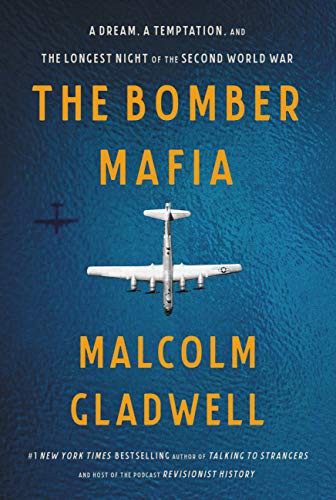
The Bomber Mafia
320 pages
A conversational yet sobering exploration of how idealistic innovation inevitably collides with the brutal pragmatism of war.
What it feels like
Reading this book feels like sitting down with a master storyteller who is eager to unravel a complex historical knot. The narrative moves at a brisk, podcast-like clip, drawing you into a world of idealistic inventors and hardened generals. It is deeply conversational and accessible, yet the atmosphere grows increasingly tense and sobering as the moral stakes of war become clear. You are asked to weigh the cost of human lives against the cold logic of military strategy, leaving you in a contemplative, uneasy headspace. It is perfect for readers who love narrative nonfiction that does not just recount history, but reframes it as a series of profound psychological and ethical collisions.
- Mood
- contemplative
- tense
- sobering
- Tone
- conversational
- inquisitive
- analytical
- earnest
- Pace
- brisk
- Themes
- moral ambiguity of war · idealism versus pragmatism · unintended consequences of innovation · the human cost of strategy
- The writing
- Highly accessible and conversational, reading with the smooth, engaging cadence of a well-crafted podcast script.
- The arc
- Moves from an engaging curiosity about technological problem-solving to a heavy, sobering confrontation with the grim realities of war.
- Who it's for
- Readers who enjoy narrative nonfiction that blends military history with psychological insight and ethical dilemmas.
Content notes
- war violence
- mass civilian casualties
- firebombing
About the book
"Malcolm Gladwell weaves together the stories of a Dutch genius and his homemade computer, a band of brothers in central Alabama, a British psychopath, and pyromaniacal chemists at Harvard to examine one of the greatest moral challenges in modern American history. Most military thinkers in the years leading up to World War II saw the airplane as an afterthought. But a small band of idealistic strategists had a different view. This 'Bomber Mafia' asked: What if precision bombing could, just by taking out critical choke points -- industrial or transportation hubs -- cripple the enemy and make war far less lethal? In his podcast, Revisionist History, Gladwell re-examines moments from the past and asks whether we got it right the first time. In The Bomber Mafia, he steps back from the bombing of Tokyo, the deadliest night of the war, and asks, "Was it worth it?" The attack was the brainchild of General Curtis LeMay, whose brutal pragmatism and scorched-earth tactics in Japan cost thousands of civilian lives, but may have spared more by averting a planned US invasion. Things might have gone differently had LeMay's predecessor, General Haywood Hansell, remained in charge. As a key member of the Bomber Mafia, Haywood's theories of precision bombing had been foiled by bad weather, enemy jet fighters, and human error. When he and Curtis LeMay squared off for a leadership handover in the jungles of Guam, LeMay emerged victorious, leading to the darkest night of World War II. The Bomber Mafia is a riveting tale of persistence, innovation, and the incalculable wages of war." --
Description from Open Library.
Books like The Bomber Mafia
See why they match Masters of the AirDonald L. MillerA harrowing, novelistic plunge into the fire-filled skies of World War II that captures both the adrenaline of flight and the devastating cost of war.
 Rogue heroesBen MacintyreA riveting, psychologically sharp plunge into the audacious origins of modern special forces.
 David and GoliathMalcolm GladwellA paradigm-shifting exploration that makes you rethink the nature of power, privilege, and the hidden gifts of adversity.
 Command and ControlEric SchlosserA ticking-clock narrative that exposes the terrifying fragility of the systems designed to keep us safe.
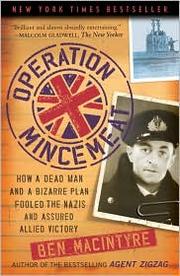 Operation MincemeatBen MacintyreA stranger-than-fiction espionage thriller where the most important secret agent is already dead.
 GruntMary RoachA witty, eye-opening exploration of the messy, unglamorous science of keeping human beings alive in the most extreme conditions imaginable.