Books › The Book of Tea
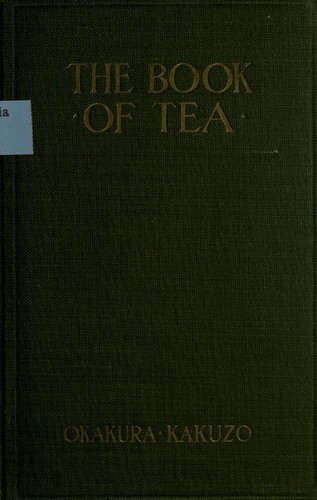
The Book of Tea
First published 2001 · 641 pages
A quiet, poetic meditation on finding profound beauty and harmony in the simplest of everyday rituals.
What it feels like
Reading this book feels like sitting in a quiet, sunlit room with a warm cup in your hands. It is a deeply meditative and leisurely experience, asking you to slow down and appreciate the profound beauty hidden in the mundane. The prose is elegant and aphoristic, washing over you with a serene, poetic reverence for simplicity and harmony. It doesn't rush to make its points; instead, it gently guides you through a philosophy where art, nature, and daily life become indistinguishable. Perfect for readers who crave a quiet escape from the noise of modernity, this slender volume leaves you feeling grounded, observant, and newly awake to the quiet aesthetics of the world around you.
- Mood
- tranquil
- meditative
- serene
- quiet
- Tone
- reverent
- philosophical
- poetic
- contemplative
- Pace
- leisurely
- Themes
- beauty in the mundane · aestheticism · harmony with nature · mindfulness · philosophy of simplicity
- The writing
- Lyrical, elegant, and aphoristic, blending historical observation with poetic philosophy.
- The arc
- Moves from a gentle curiosity about a cultural practice to a profound, quiet reverence for the beauty of everyday life.
- Who it's for
- Readers seeking a quiet, meditative escape who appreciate aesthetics, philosophy, and the intersection of art and daily life.
About the book
Tea began as a medicine and grew into a beverage. In China, in the eighth century, it entered the realm of poetry as one of the polite amusements. The fifteenth century saw Japan ennoble it into a religion of aestheticism - Teaism. Teaism is a cult founded on the adoration of the beautiful among the sordid facts of everyday existence. It inculcates purity and harmony, the mystery of mutual charity, the romanticism of the social order.
Description from Open Library.
Books like The Book of Tea
See why they match How to IkigaiTim TamashiroA gentle, practical exploration of uncovering personal purpose and cultivating a peaceful, intentional life.
 The Japanese haikuKenneth YasudaA thoughtful, cross-cultural exploration of poetic beauty that bridges Eastern and Western literary traditions.
 The te of PigletBenjamin HoffA gentle, nostalgic meditation that transforms feelings of smallness and hesitation into a quiet, unshakeable inner strength.
 A history of the world in 6 glassesTom StandageA lively, conversational journey through human history that reveals how our favorite beverages shaped the modern world.
 Genji monogatariMurasaki ShikibuAn opulent, melancholic immersion into the fleeting passions and intricate politics of an ancient imperial court.
 SenbazuruUnknown authorA haunting, delicate exploration of inherited guilt and desire, played out against the fading rituals of a bygone era.