Books › The Boy Who Harnessed the Wind

The Boy Who Harnessed the Wind
320 pages
A deeply moving testament to human ingenuity and the sheer force of a curious mind refusing to be extinguished by circumstance.
What it feels like
Reading this memoir feels like watching a small, stubborn seed push its way through cracked, sun-baked earth. The narrative moves at a steady, deliberate pace, grounding you deeply in the rhythms of rural Malawian life before plunging into the harrowing, visceral reality of a devastating famine. The tone is incredibly earnest and humble, never sensationalizing the trauma but rather focusing on the quiet, desperate mechanics of survival. As the focus shifts to scrap metal and library books, the mood transforms from dread-soaked to awe-inspiring. The prose is clear and accessible, making the magic of science feel tangible and deeply human. It is a perfect read for anyone who craves a genuinely uplifting story about resilience, the power of education, and the extraordinary things born from absolute necessity.
- Mood
- hopeful
- harrowing
- awe-inspiring
- grounded
- Tone
- earnest
- determined
- humble
- reflective
- Pace
- steady
- Themes
- the power of curiosity · resilience against impossible odds · the magic of science · community and survival
- The writing
- Clear, accessible, and deeply earnest, blending vivid descriptions of Malawian village life with straightforward explanations of mechanical engineering.
- The arc
- Moves from the innocent curiosity of childhood through the devastating despair of famine, culminating in a triumphant, hard-won realization of a dream.
- Who it's for
- Readers who love uplifting, true stories of human ingenuity and resilience against impossible odds.
Content notes
- famine and starvation
- animal death
- extreme poverty
- illness
About the book
William Kamkwamba was born in Malawi, a country where magic ruled and modern science was mystery. It was also a land withered by drought and hunger, and a place where hope and opportunity were hard to find. But William had read about windmills in a book called Using Energy, and he dreamed of building one that would bring electricity and water to his village and change his life and the lives of those around him. His neighbors may have mocked him and called him misala-crazy-but William was determined to show them what a little grit and ingenuity could do.Enchanted by the workings of electricity as a boy, William had a goal to study science in Malawi's top boarding schools. But in 2002, his country was stricken with a famine that left his family's farm devastated and his parents destitute. Unable to pay the eighty-dollar-a-year tuition for his education, William was forced to drop out and help his family forage for food as thousands across the country starved and died.Yet William refused to let go of his dreams. With nothing more than a fistful of cornmeal in his stomach, a small pile of once-forgotten science textbooks, and an armory of curiosity and determination, he embarked on a daring plan to bring his family a set of luxuries that only two percent of Malawians could afford and what the West considers a necessity-electricity and running water. Using scrap metal, tractor parts, and bicycle halves, William forged a crude yet operable windmill, an unlikely contraption and small miracle that eventually powered four lights, complete with homemade switches and a circuit breaker made from nails and wire. A second machine turned a water pump that could battle the drought and famine that loomed with every season.Soon, news of William's magetsi a mphepo-his "electric wind"-spread beyond the borders of his home, and the boy who was once called crazy became an inspiration to those around the world.Here is the remarkable story about human inventiveness and its power to overcome crippling adversity. The Boy Who Harnessed the Wind will inspire anyone who doubts the power of one individual's ability to change his community and better the lives of those around him.
Description from Open Library.
Books like The Boy Who Harnessed the Wind
See why they match Rocket boysHomer H. HickamA warm, luminous memoir of coming of age in a harsh mining town, fueled by the innocent promise of the early space age.
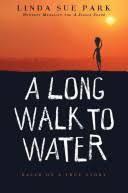 A Long Walk to Water( Linda Sue Park)Linda Sue ParkA spare, dual-narrative journey of survival that transforms unimaginable hardship into a testament to human endurance and hope.
 The Life and Times of the Thunderbolt KidBill BrysonA laugh-out-loud, sunlit stroll through the absurdities and wonders of a mid-century American childhood.
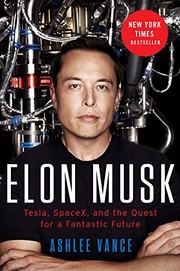 Elon MuskAshlee VanceA high-octane, unvarnished look at the relentless drive and staggering personal costs behind modern technological miracles.
 The Alchemy of AirThomas HagerA gripping, tragic narrative history about the brilliant minds who pulled bread from the air and inadvertently unleashed a century of unprecedented destruction.
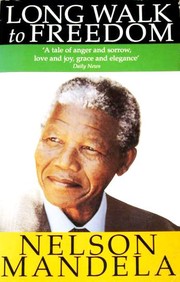 Long Walk to FreedomNelson MandelaA monumental testament to the endurance of the human spirit and the slow, arduous march toward justice.