Books › The Bridge of San Luis Rey

The Bridge of San Luis Rey
246 pages
A quiet, devastating meditation on fate, chance, and the invisible threads of love that bind us together in the face of tragedy.
What it feels like
Reading this novel feels like stepping into a quiet, sunlit cathedral just after a storm. It is a deeply contemplative and elegiac experience, moving at a steady, deliberate pace as it unravels the invisible threads connecting disparate lives. The prose is elegant and fable-like, carrying a weightless omniscience that feels both intimate and grand. You are immersed in a melancholic but ultimately comforting atmosphere, where the randomness of tragedy is met with a profound, searching compassion. It doesn't offer easy answers about fate or divine will, but instead leaves you with a lingering sense of awe at the enduring power of human love. This is a perfect read for those who savor philosophical fiction and quiet, character-driven meditations on the fragile beauty of existence.
- Mood
- melancholic
- reflective
- haunting
- reverent
- Tone
- philosophical
- compassionate
- elegiac
- contemplative
- Pace
- steady
- Themes
- divine providence vs. chance · the enduring nature of love · interconnectedness of lives · meaning in tragedy · the problem of evil
- The writing
- Elegant, precise, and quietly profound, possessing a timeless, almost fable-like omniscience.
- The arc
- Moves from the shock of sudden tragedy through intimate, empathetic character studies to a profound, quiet acceptance of love as the only enduring truth.
- Who it's for
- Readers who appreciate philosophical fiction, character-driven vignettes, and quiet meditations on fate, faith, and human connection.
Content notes
- fatal accidents
- grief
- death of loved ones
About the book
The Bridge of San Luis Rey (1927) tells the story of several unrelated people who happen to be on a bridge in Peru when it collapses, killing them. Philosophically, the book explores the problem of evil, or the question, of why unfortunate events occur to people who seem "innocent" or "undeserving". It won the Pulitzer Prize in 1928, and in 1998 it was selected by the editorial board of the American Modern Library as one of the 100 best novels of the twentieth century. The book was quoted by British Prime Minister Tony Blair during the memorial service for victims of the September 11 attacks in 2001. Since then its popularity has grown enormously. The book is the progenitor of the modern disaster epic in literature and film-making, where a single disaster intertwines the victims, whose lives are then explored by means of flashbacks to events before the disaster.
Description from Open Library.
Books like The Bridge of San Luis Rey
See why they match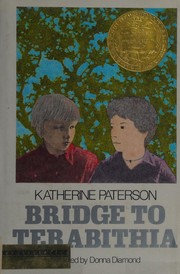 Bridge to TerabithiaKatherine PatersonA tender, heartbreaking exploration of childhood imagination and the profound, lasting impact of a single friendship.
 For Whom the Bell TollsErnest HemingwayA tense, earthy meditation on duty, fleeting love, and the heavy inevitability of death over three days in the Spanish mountains.
 A Prayer for Owen MeanyJohn IrvingA sprawling, tragicomic meditation on faith, destiny, and the enduring ghosts of childhood friendship.
 Year of WondersGeraldine BrooksA haunting, beautifully rendered portrait of a community pushed to the brink and a woman forging her own salvation in the crucible of a plague.
![Cover of The United States in Literature [with three long stories] -- Seventh Edition](https://covers.openlibrary.org/b/id/6699609-M.jpg) The United States in Literature [with three long stories] -- Seventh EditionJames E. Miller Jr.A curated journey through the eerie, dramatic, and foundational shadows of classic American storytelling.
The United States in Literature [with three long stories] -- Seventh EditionJames E. Miller Jr.A curated journey through the eerie, dramatic, and foundational shadows of classic American storytelling.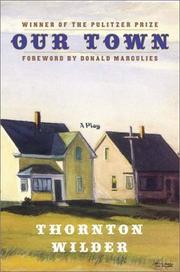 Our townThornton WilderA quiet, devastating meditation on the fleeting beauty of ordinary moments that we only recognize once they are gone.