Books › The Buddha and his Dhamma

The Buddha and his Dhamma
599 pages
A rigorous, socially conscious reimagining of ancient teachings that transforms spiritual philosophy into a blueprint for human liberation.
What it feels like
Reading this text feels like sitting in a brightly lit, quiet room with a brilliant, uncompromising teacher. The pace is steady and deliberate, asking the reader to pause and weigh each philosophical argument. It strips away the mysticism often associated with ancient religious texts, replacing it with a deeply empowering, rationalist mood that champions human dignity and social equality. The prose is clear, structured, and profoundly earnest, designed not to dazzle with poetry but to illuminate the mind and stir the conscience. It is an intellectually rigorous experience that moves from the deconstruction of oppressive dogmas to the hopeful construction of a moral, egalitarian framework. This is a vital, transformative read for anyone drawn to the intersection of spirituality, rationalism, and social justice.
- Mood
- contemplative
- empowering
- serious
- illuminating
- Tone
- analytical
- earnest
- reformist
- didactic
- reverent
- Pace
- steady
- Themes
- social justice · rational spirituality · liberation from oppression · moral philosophy · egalitarianism
- The writing
- Clear, structured, and deeply persuasive, prioritizing accessible education and moral clarity over ornate flourish.
- The arc
- Moves from a rigorous dismantling of oppressive dogma to a profound, empowering embrace of a rational and egalitarian spiritual path.
- Who it's for
- Readers seeking a socially conscious, rationalist approach to spirituality and those passionate about anti-caste literature and human liberation.
Content notes
- discussions of systemic oppression
- caste discrimination
About the book
'The Buddha and his Dhamma' presents B.R. Ambedkar's review and analysis of the vast Buddhist canon and literature. This is the first critical edition of the book published posthumously in 1957. Besides a new introduction, it includes footnotes and annotations which explain missing references and passages in the original text.
Description from Open Library.
Books like The Buddha and his Dhamma
See why they match What the Buddha taughtWalpola RahulaA clear, unclouded window into ancient wisdom that strips away mysticism to reveal practical truths about the human condition.
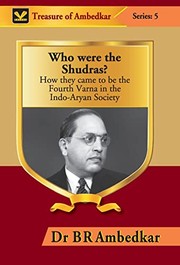 Who were the Shudras?B. R. AmbedkarA rigorous, paradigm-shifting excavation of ancient texts that dismantles the mythological justifications for systemic oppression.
 Annihilation of casteBhimrao R. AmbedkarA razor-sharp, uncompromising intellectual dismantling of systemic oppression that reads with the urgency of a revolutionary manifesto.
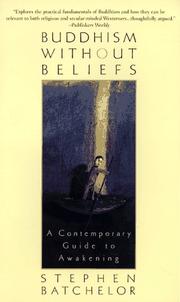 Buddhism Without BeliefsStephen BatchelorA pragmatic, dogma-free invitation to experience ancient philosophy as a practical, everyday way of living rather than a rigid religion.
 BuddhaKaren ArmstrongA grounded, empathetic exploration of a man's transformation into a myth, blending historical rigor with spiritual resonance.
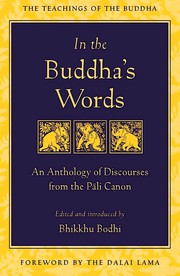 In the Buddha's wordsBodhiA systematic and eloquent journey into ancient wisdom, offering a clear path from everyday life to profound spiritual insight.