Books › The Buddha in the attic
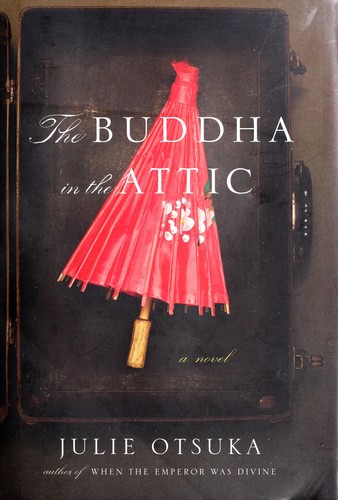
The Buddha in the attic
129 pages
A hypnotic, choral incantation that gives voice to a generation of women whose lives were quietly erased by history.
What it feels like
Reading this book feels like listening to a haunting, collective chorus. Told entirely in the first-person plural, the narrative washes over you in rhythmic, incantatory waves, blending countless individual heartbreaks into a single, devastating tapestry of the immigrant experience. The pace is steady and deliberate, pulling you through decades of hope, grueling labor, and quiet alienation with a poetic detachment that somehow makes the emotional impact even sharper. It is a deeply atmospheric and melancholic read, steeped in the sensory details of a harsh new world and the fading memories of the old. This is a perfect match for readers who crave lyrical, structurally inventive fiction that breathes life into the forgotten corners of history, leaving a lingering, profound ache long after the final page.
- Mood
- haunting
- melancholic
- atmospheric
- devastating
- Tone
- elegiac
- incantatory
- choral
- poignant
- detached
- Pace
- steady
- Themes
- collective memory · assimilation and erasure · invisible labor · the immigrant experience · generational alienation
- The writing
- The prose is a hypnotic, rhythmic prose-poem delivered entirely in a collective first-person plural ('we') that feels both intimate and mythic.
- The arc
- The journey shifts from the fragile, collective hope of arrival to the grueling realities of survival, ending in a quiet, devastating erasure.
- Who it's for
- Readers who appreciate lyrical, structurally inventive fiction and deeply empathetic explorations of history will be mesmerized by this chorus of voices.
Content notes
- racism and xenophobia
- forced internment
- sexual assault
- child loss
- poverty
About the book
Presents the stories of six Japanese mail-order brides whose new lives in early twentieth-century San Francisco are marked by backbreaking migrant work, cultural struggles, children who reject their heritage, and the prospect of wartime internment.
Description from Open Library.
Books like The Buddha in the attic
See why they match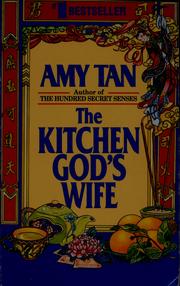 The Kitchen God's WifeAmy TanA sweeping, deeply intimate confession that bridges the chasm of unspoken history between a mother and daughter.
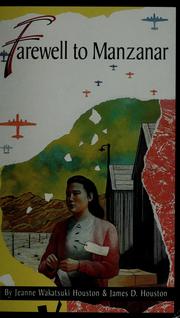 Farewell to ManzanarJeanne Wakatsuki Houston and James D. HoustonA poignant, clear-eyed memoir that filters the monumental injustice of internment through the intimate, resilient lens of a child coming of age behind barbed wire.
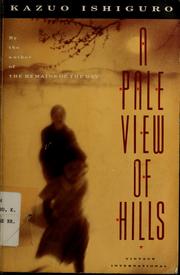 A Pale View of HillsKazuo IshiguroA quiet, unsettling exploration of memory where polite reminiscence slowly fractures to reveal the devastating weight of unspoken guilt.
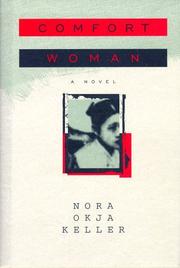 Comfort womanNora Okja KellerA haunting, lyrical descent into the inherited ghosts of history and the fierce, complicated love between a mother and daughter.
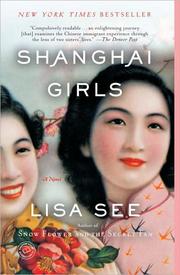 Shanghai girlsLisa SeeA sweeping, emotionally resonant saga of two sisters navigating the brutal transition from glittering youth to the harsh realities of survival and exile.
 A Jar of DreamsYoshiko UchidaA tender, grounded exploration of a young girl drawing strength from her close-knit family while navigating the harsh realities of 1930s California.