Books › The cell

The cell
First published 1996 · 832 pages
A methodical and illuminating journey into the microscopic machinery that powers all living things.
What it feels like
Reading this book feels like stepping into a highly organized, brilliantly lit laboratory where the invisible architecture of life is finally made visible. The pacing is inherently steady, demanding focus as it builds a conceptual framework block by block. It lacks the narrative sweep of a novel, replacing it instead with the quiet thrill of intellectual synthesis and scientific discovery. The prose is exceptionally clear and authoritative, designed to guide the reader through dense molecular pathways without losing them in the weeds. It is a deeply academic and illuminating experience, perfect for students and curious minds who want to understand the intricate, microscopic mechanisms that govern existence, leaving the reader with a profound sense of biological awe.
- Mood
- academic
- intellectual
- focused
- illuminating
- Tone
- authoritative
- objective
- instructive
- analytical
- Pace
- steady
- Themes
- the architecture of life · scientific discovery · microscopic complexity · experimental inquiry
- The writing
- Clear, structured, and precise, prioritizing comprehension and conceptual clarity over stylistic flourish.
- The arc
- Moves from foundational curiosity to a profound appreciation of biological complexity.
- Who it's for
- Biology students, science enthusiasts, and researchers seeking a foundational understanding of molecular biology.
About the book
This book provides a solid conceptual framework and an introduction to the experimental nature of contemporary research.
Description from Open Library.
Books like The cell
See why they match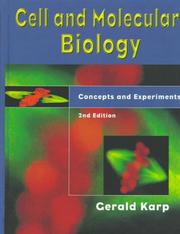 Cell and Molecular BiologyGerald KarpA rigorous, experiment-driven descent into the microscopic machinery that powers life itself.
 Molecular biology of the geneJames D. WatsonAn authoritative, deeply structured exploration of the microscopic machinery that builds and sustains life.
 Campbell biologyJane B. ReeceAn authoritative, meticulously structured exploration of the foundational principles of life.
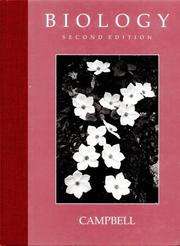 BiologyNeil A. CampbellA monumental, structured journey through the mechanics of life that transforms overwhelming complexity into awe-inspiring clarity.
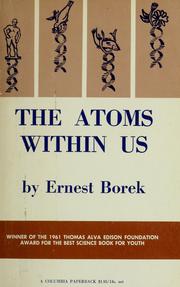 The Atoms Within UsErnest BorekAn illuminating journey into the microscopic building blocks of life and the history of how we discovered them.
 Developmental biologyScott F. GilbertA rigorous, awe-inspiring deep dive into the cellular choreography that transforms a single fertilized egg into a complex organism.