Books › The city in history

The city in history
its origins, its transformations, and its prospects
First published 1961 · 749 pages
A sweeping, philosophical journey through the stone, steel, and spirit of human civilization.
What it feels like
Reading this book feels like standing on a high peak overlooking the entire span of human civilization, watching settlements grow from ancient caves to sprawling megalopolises. It is a deeply contemplative and monumental experience, driven by a steady, erudite voice that cares passionately about the human soul. The prose is grand and philosophical, treating the built environment not just as a matter of engineering, but as a profound reflection of our social and spiritual condition. As the narrative moves into the modern era, a sobering, critical mood takes over, warning against the mechanization of life. It will absolutely delight lovers of sweeping macro-histories, urbanists, and anyone who looks at a city skyline and wonders how it shapes the people living beneath it.
- Mood
- contemplative
- monumental
- intellectual
- sobering
- Tone
- erudite
- passionate
- philosophical
- critical
- visionary
- Pace
- steady
- Themes
- the evolution of human settlement · organic community vs mechanization · the spiritual weight of architecture · civilizational rise and fall
- The writing
- Grand, eloquent, and deeply humanist, weaving dense historical fact with philosophical poetry.
- The arc
- Moves from a sense of awe at early human ingenuity to a sobering, urgent critique of modern alienation, ending on a note of cautious, visionary hope.
- Who it's for
- Readers who love sweeping macro-histories and philosophical reflections on how our built environments shape our souls.
Content notes
- societal collapse
- urban decay
- warfare
About the book
Examines the development and nature of the city from Egypt to Mesopotamia, Greece, Rome and the Middle Ages to the modern world.
Description from Open Library.
Books like The city in history
See why they match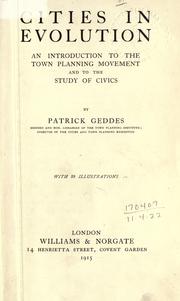 Cities in EvolutionPatrick GeddesA foundational, intellectual exploration of how human settlements grow, organize, and evolve.
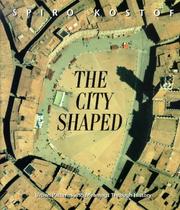 The city shapedSpiro KostofA sweeping, deeply observant journey that transforms the chaotic sprawl of human settlements into a readable, fascinating historical map.
 The radiant cityLe CorbusierA dogmatic, visionary manifesto that dreams of replacing chaotic streets with soaring towers of glass, steel, and sunlight.
 The myth of the machineLewis MumfordA sweeping, multi-volume intellectual exploration of how tools and machinery have shaped the human condition.
 Why the West Rules - For NowIan MorrisA sweeping, God's-eye view of human history that turns millennia of data into a gripping puzzle about geography, power, and our collective future.
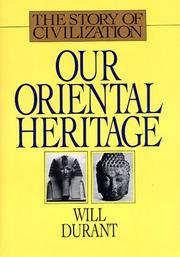 The Story of Civilization IWill DurantA sweeping, philosophical journey through the dawn of human culture that makes the ancient world feel intimately connected to our own.