Books › The Club of Queer Trades

The Club of Queer Trades
370 pages
A delightfully absurd romp through Edwardian London where mysteries are solved not by cold logic, but by a poetic understanding of human eccentricity.
What it feels like
Reading this collection feels like sitting in a cozy, slightly drafty London gentleman's club while a brilliant, eccentric friend spins wildly improbable yarns. The pace is brisk, driven by the episodic nature of the short stories, but the true joy lies in the meandering philosophical detours and sparkling paradoxes. Chesterton crafts a mood that is at once gaslamp-lit and cheerfully surreal, subverting the traditional Sherlockian mystery by championing poetic intuition over cold, hard facts. The prose is theatrical and witty, demanding a reader who delights in wordplay and the absurdity of modern life. It is a perfect fit for those who love classic British detective fiction but crave a touch of whimsy, where the solution to a puzzle is always less important than the bizarre, inventive human behavior that caused it.
- Mood
- eccentric
- cozy
- cheerful
- gaslamp-lit
- Tone
- wry
- whimsical
- philosophical
- playful
- satirical
- Pace
- brisk
- Themes
- the absurdity of modern life · the limits of pure logic · the romance of the ordinary · eccentric vocations · intuitive deduction
- The writing
- Sparkling with signature paradoxes, the prose is witty, theatrical, and philosophically dense yet light on its feet.
- The arc
- Moves from delightful bewilderment at bizarre mysteries to a satisfying, often humorous appreciation of human eccentricity.
- Who it's for
- Readers who love classic British mysteries but prefer their detectives to rely on poetic intuition and philosophical whimsy rather than magnifying glasses.
Content notes
- mild period-typical attitudes
About the book
Charles Swinburne and his friend, the private detective Rupert Grant, are startled when Major Brown recounts the things that happened to him that morning. Along with Rupert’s brother, the ex-judge Basil Grant, they launch headlong into their investigation only to discover that the antagonist is a member of the Club of Queer Trades. Over the course of six short stories, the secrets of the Club come to light in surprising ways. The Club of Queer Trades was one of G. K. Chesterton’s earlier works, and was originally serialized in Harper’s Weekly in 1904 before being collected into a novel in 1905. In recent years it was produced as a six-part radio drama by the BBC.
Description from Open Library.
Books like The Club of Queer Trades
See why they match The Man Who Knew Too MuchChesterton, G. K.A world-weary descent into the gilded, morally bankrupt corridors of a decaying empire, where solving the crime is less important than surviving the truth.
 Lord PeterDorothy L. SayersAn elegant, puzzle-filled stroll through 1920s England, where sparkling aristocratic wit masks a razor-sharp intellect and a touch of post-war melancholy.
 The Eight Strokes of the ClockMaurice LeblancA charming, episodic romp through northern France filled with dazzling logic, gentlemanly thievery, and romantic intrigue.
 The Man Who Was ThursdayGilbert Keith ChestertonA surreal, philosophical fever dream disguised as a fast-paced spy thriller.
 The Penguin Complete Father Brown (Father Brown Mystery)Chesterton, G. K.A classic collection of traditional English mysteries that unravels moral puzzles against atmospheric backdrops.
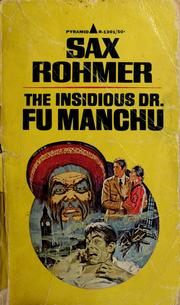 The Insidious Dr. Fu ManchuSax RohmerA breathless, fog-drenched pulp thriller that races through the shadows of Edwardian London in pursuit of an archetypal mastermind.