Books › The colour of desire

The colour of desire
First published 1990 · 228 pages
A passionate, music-infused vintage romance where creative friction and forced proximity heal deep emotional and physical wounds.
What it feels like
Reading this vintage romance feels like stepping into a tempestuous, emotionally charged theater where every glance and sharp word carries the weight of a symphony. The narrative moves at a brisk, engaging pace, sweeping the reader into a classic forced-proximity dynamic between a demanding, brilliant creator and a deeply wounded heroine struggling to find her footing. The mood is steeped in 90s romantic melodrama—angsty, intense, and unapologetically earnest. As the characters clash over music and personal boundaries, the prose leans heavily into their internal turmoil, making their eventual surrender to each other feel both hard-won and deeply cathartic. It is a perfect comfort read for fans of old-school category romance who love watching a gruff, reluctant protector slowly unravel in the face of a resilient woman's quiet strength and shared creative passion.
- Mood
- angsty
- emotionally charged
- romantic
- theatrical
- Tone
- earnest
- melodramatic
- intense
- passionate
- Pace
- brisk
- Themes
- healing from trauma · creative passion · forced proximity · finding new purpose · reluctant vulnerability
- The writing
- Emotionally heightened and direct, focusing heavily on the internal turmoil and magnetic tension between the protagonists.
- The arc
- Moves from bitter resignation and reluctant proximity to a fiery, healing crescendo of mutual passion and creative triumph.
- Who it's for
- Readers who crave vintage category romance with high emotional stakes, grumpy-sunshine dynamics, and wounded heroines finding their strength.
Content notes
- car accident trauma
- internalized ableism
- physical injury and chronic pain
About the book
"The best solution was to bring you both together and let him take care of you".
After an accident, Kathleen knew her dreams of a musical career were over - so why did Sister Cecily practically force her on to Morgan Llewellyn - world famous composer of musicals? Especially as Morgan made it clear he didn't want a protegee - and one who walked with a limp to boot!
However, they both had to make the best of the arrangement and soon Kathleen found herself involved as much with the man as his music.
Description from Open Library.
Books like The colour of desire
See why they match To tame a wild heartEmma DarcyA fiery clash of wills set against the sun-baked Australian outback, where a pragmatic bargain ignites into an all-consuming passion.
 An impossible dreamEmma DarcyA cozy, classic fake-dating holiday romance where a transactional arrangement melts into genuine passion under the pressure of family expectations.
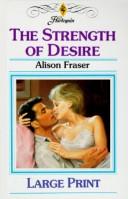 The Strength of DesireAlison FraserA high-stakes, emotionally charged romance where long-buried family secrets and forbidden desires finally boil over.
 The Perfect LoverPenny JordanA classic, angsty romance of lingering secrets, sudden reunions, and the explosive tension of a past mistake that might just be true love.
 A Convenient ProposalHelen BrooksA classic, comforting marriage-of-convenience romance where guarded hearts slowly yield to unexpected passion.
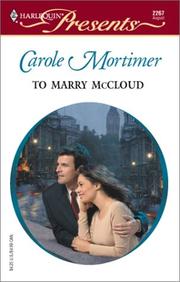 To Marry MccloudCarole MortimerA cheeky, high-stakes game of romantic chicken where a fake relationship rapidly spirals into very real desire.