Books › The creature from Jekyll Island

The creature from Jekyll Island
First published 1994 · 672 pages
A financial history that reads like a shadowy political thriller, designed to shatter your trust in the modern banking system.
What it feels like
Reading this book feels less like studying economics and more like being handed a classified dossier in a dimly lit parking garage. It transforms the dry, bureaucratic history of central banking into a propulsive, shadowy thriller filled with secret meetings, hidden agendas, and global manipulation. The prose is highly accessible, stripping away financial jargon to present a narrative that is urgent, persuasive, and deeply alarming. As you turn the pages, a creeping sense of paranoia sets in, replacing whatever faith you had in institutional finance with mounting outrage. It is catnip for skeptics and truth-seekers, offering a sweeping, controversial lens through which to view modern history, fundamentally altering how its readers perceive the money in their pockets.
- Mood
- suspenseful
- paranoid
- revelatory
- shadowy
- Tone
- urgent
- conspiratorial
- authoritative
- alarmist
- persuasive
- Pace
- propulsive
- Themes
- hidden power structures · financial manipulation · the illusion of control · historical revisionism · wealth and corruption
- The writing
- Accessible and dramatic, framing complex financial history as a gripping, high-stakes detective story.
- The arc
- Moves from naive curiosity to mounting outrage, culminating in a profound sense of systemic distrust.
- Who it's for
- Readers who suspect the official narrative is a lie and crave deep dives into the hidden mechanics of global finance and power.
Content notes
- conspiracy theories
- economic anxiety
About the book
Published in cooperation with American Opinion Pub., Appleton, Wis.
Includes bibliographical references (p. 596-608) and index.
Description from Open Library.
Books like The creature from Jekyll Island
See why they match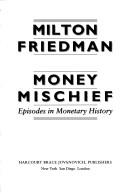 Money mischiefMilton FriedmanA lucid, historical journey through the illusions and realities of money that will forever change how you view the dollar in your pocket.
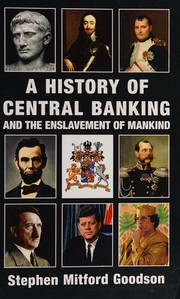 History of central banking and the enslavement of mankindStephen Mitford GoodsonA sweeping, controversial reinterpretation of world history viewed entirely through the lens of financial manipulation and hidden power.
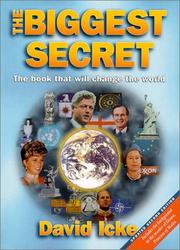 The biggest secretDavid IckeA dizzying, sprawling descent into the ultimate rabbit hole of alternative history and global conspiracy.
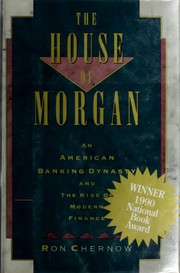 The House of MorganRon ChernowA sweeping, dynastic epic that reveals the hidden financial architecture of the modern world through the rise of a single, formidable banking family.
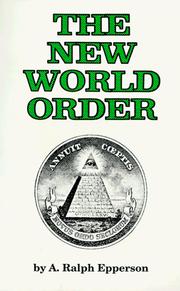 New World OrderA. Ralph EppersonA methodical descent into the shadowy symbolism hiding in plain sight, designed to shatter your perception of modern history.
 The IlluminatiJim MarrsAn investigative plunge into the shadowy corridors of power, exploring the clandestine forces alleged to be steering global history.