Books › The Crucible
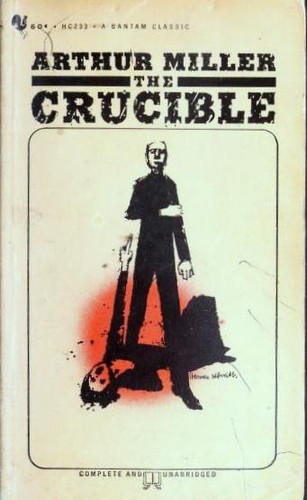
The Crucible
484 pages
A claustrophobic descent into mass hysteria where truth is the first casualty of fear.
What it feels like
Reading this play feels like watching a spark ignite a powder keg in a locked room. The atmosphere is immediately suffocating, drenched in paranoia and the terrifying realization of how easily a community can turn on itself. The dialogue is muscular and rhythmic, adopting a slightly archaic cadence that grounds you in the historical setting while feeling urgently modern in its psychological weight. The pacing is relentless, dragging you through a nightmare of weaponized morality and false accusations where logic holds no power against collective fear. It is a deeply uncomfortable but riveting experience, perfect for readers who are drawn to intense moral dilemmas and stories that expose the fragile, dangerous edges of human nature and societal justice.
- Mood
- claustrophobic
- paranoid
- dread-soaked
- oppressive
- Tone
- urgent
- cynical
- intense
- moralistic
- tragic
- Pace
- propulsive
- Themes
- mass hysteria · the cost of integrity · weaponized religion · reputation versus truth · fragility of justice
- The writing
- Stark, muscular, and highly rhetorical, blending archaic Puritan speech patterns with sharp, dramatic urgency.
- The arc
- Starts in simmering suspicion and escalates into a suffocating avalanche of paranoia, culminating in a devastating but morally triumphant sacrifice.
- Who it's for
- Readers who appreciate intense psychological drama, historical allegories, and stories that grapple with heavy moral dilemmas.
Content notes
- execution
- false accusations
- mass hysteria
- religious extremism
- hanging
About the book
The Crucible is a 1953 play by American playwright Arthur Miller. It is a dramatized and partially fictionalized story of the Salem witch trials that took place in the Massachusetts Bay Colony during 1692–93. Miller wrote the play as an allegory for McCarthyism, when the United States government persecuted people accused of being communists.
Description from Open Library.
Books like The Crucible
See why they match Death of a SalesmanArthur MillerA devastating, claustrophobic unraveling of a man crushed under the weight of his own hollow American Dream.
 What Were the Salem Witch TrialsJoan HolubA brisk, accessible journey into one of history's most fascinating and chilling moments of mass panic.
 The Scarlet LetterNathaniel HawthorneA heavy, atmospheric descent into the suffocating grip of public shame and the quiet rebellion of a woman who refuses to be broken by it.
 All My SonsArthur MillerA suffocating, slow-burn tragedy where the ghosts of the past dismantle the fragile facade of a post-war family.
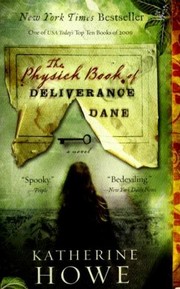 The Physick Book of Deliverance DaneKatherine HoweA dual-timeline mystery steeped in the smell of old paper, hidden magic, and the lingering ghosts of New England's dark past.
 Young Goodman BrownNathaniel HawthorneA chilling walk into a dark, psychological forest where every familiar face hides a sinister secret.