Books › The day after Roswell
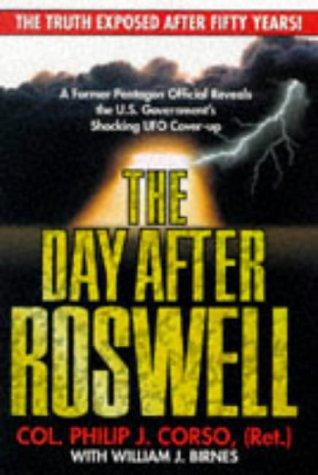
The day after Roswell
First published 1997 · 371 pages
A shadowy whistleblower narrative that rewrites modern technological history through the lens of a massive government cover-up.
What it feels like
Reading this book feels like sitting in a dimly lit room with a retired intelligence officer who is finally ready to spill the nation's deepest secrets. The narrative moves at a brisk, urgent clip, blending dry military-bureaucratic language with jaw-dropping claims about reverse-engineered alien technology. It cultivates a deeply paranoid, shadowy mood, making you question the origins of the modern world's technological leaps. The prose is straightforward and authoritative, anchoring its sensational revelations in the mundane reality of Pentagon memos and R&D budgets. It is a mind-bending experience tailored for readers who devour alternate histories, UFO lore, and tales of the military-industrial complex, leaving behind a lingering sense of awe and suspicion long after the final page.
- Mood
- paranoid
- shadowy
- suspenseful
- mind-bending
- Tone
- authoritative
- urgent
- conspiratorial
- matter-of-fact
- Pace
- brisk
- Themes
- government secrecy · hidden history · technological leaps · the burden of truth · military-industrial complex
- The writing
- Straightforward and authoritative, blending dry military-bureaucratic language with sensational claims.
- The arc
- Moves from historical curiosity to mind-expanding revelation and lingering paranoia.
- Who it's for
- Readers fascinated by UFO lore, alternate histories, and government cover-ups who love a whistleblower narrative.
Content notes
- paranoia
- conspiracy theories
About the book
A landmark expose firmly grounded in fact, The Day After Roswell puts a fifty-year-old controversy to rest. Since 1947, the mysterious crash of an unidentified aircraft at Roswell, New Mexico, has fueled a firestorm of speculation and controversy with no conclusive evidence of its extraterrestrial origin -- until now. Colonel Philip J. Corso (Ret.), a member of President Eisenhower's National Security Council and former head of the Foreign Technology Desk at the U.S. Army's Research & Development department, has come forward to tell the whole explosive story. Backed by documents newly declassified through the Freedom of Information Act, Colonel Corso reveals for the first time his personal stewardship of alien artifacts from the crash, and discloses the U.S. government's astonishing role in the Roswell incident: what was found, the cover-up, and how these alien artifacts changed the course of twentieth-century history. - Jacket flap.
Description from Open Library.
Books like The day after Roswell
See why they match Above Top SecretTimothy GoodA deeply documented, methodical plunge into the mysteries of unexplained phenomena and the shadows of institutional secrecy.
 The Stranger at the PentagonFrank E. StrangesA breathless, retro-futuristic plunge into the shadowy corridors of mid-century American power, where cosmic salvation meets government cover-ups.
 The Montauk projectPreston B. NicholsA dizzying descent into a paranoid rabbit hole where fringe science, suppressed memories, and government secrets collide.
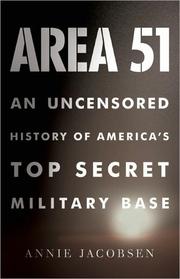 Area 51Annie JacobsenA gripping, declassified journey into the heart of America's most famous shadow-world.
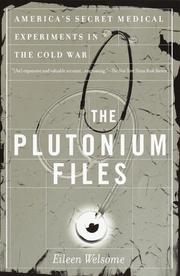 The plutonium filesEileen WelsomeA chilling, atmospheric descent into the hidden ethical costs and human sacrifices of the atomic age.
 Skunk WorksBen R. RichA thrilling, insider's look at the rebellious engineering genius that built the world's most secretive and advanced aircraft.